Because People Are Why We Build
As the year draws to a close, many of us find ourselves reflecting on the people who shape our lives—our families, colleagues, and communities. At Kitware, this season offers a moment to step back from the code, models, and tools we build each day and reconnect with the deeper purpose behind them. Technology may be our craft, but people are our purpose.
Behind every line of code is someone we hope to support: a clinician seeking clearer answers, a scientist chasing a breakthrough, or a student learning to see the world in a new way. Innovation, at its best, is an act of service. It turns research into better care, better tools, and better outcomes for the people who rely on them.
As we close out the year, we’re honored to share a few of the projects that capture this human-centered mission and the impact we strive to make every day.
AI-Powered Ultrasound for Early Detection of Congenital Heart Disease
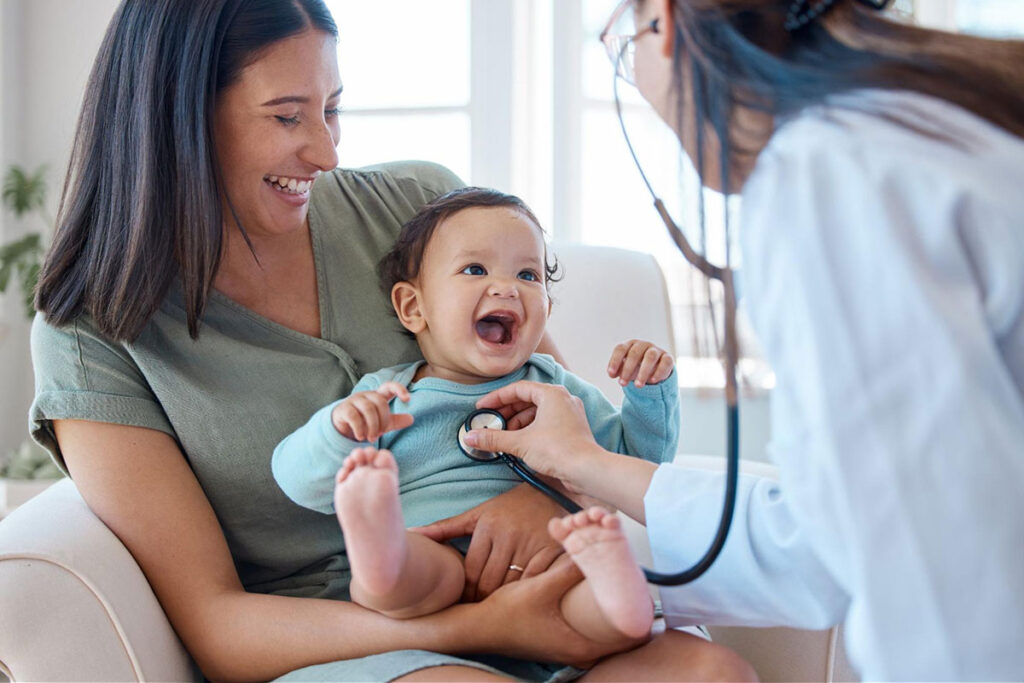
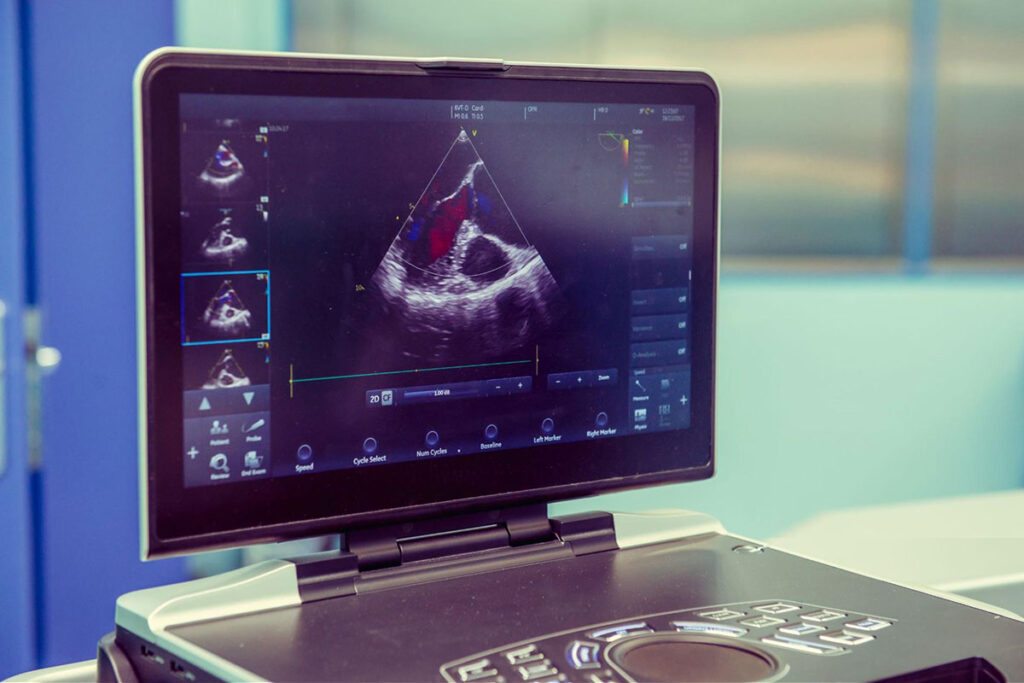
This year, we continued our collaboration with Johns Hopkins University to enhance the screening process for congenital heart disease (CHD) in newborns. Every parent hopes to hold a healthy baby in their arms, yet today’s screening methods can miss serious heart defects.
Through this three-year project, funded by ARPA-H, our team is developing a new generation of ultrasound technology that utilizes autonomous scanning and AI-guided analysis to detect CHD earlier and more accurately. By making echocardiography easier to perform and more consistent across hospitals, we aim to provide clinicians with the information they need to make better decisions for the safety and health of the babies in their care.
This project has been funded in whole or in part with Federal funds from the Advanced Research Projects Agency for Health (ARPA-H), Department of Health and Human Services, under Contract No. 75N91024C00020.
Helping Automakers Design Safer, More Reliable Vehicles
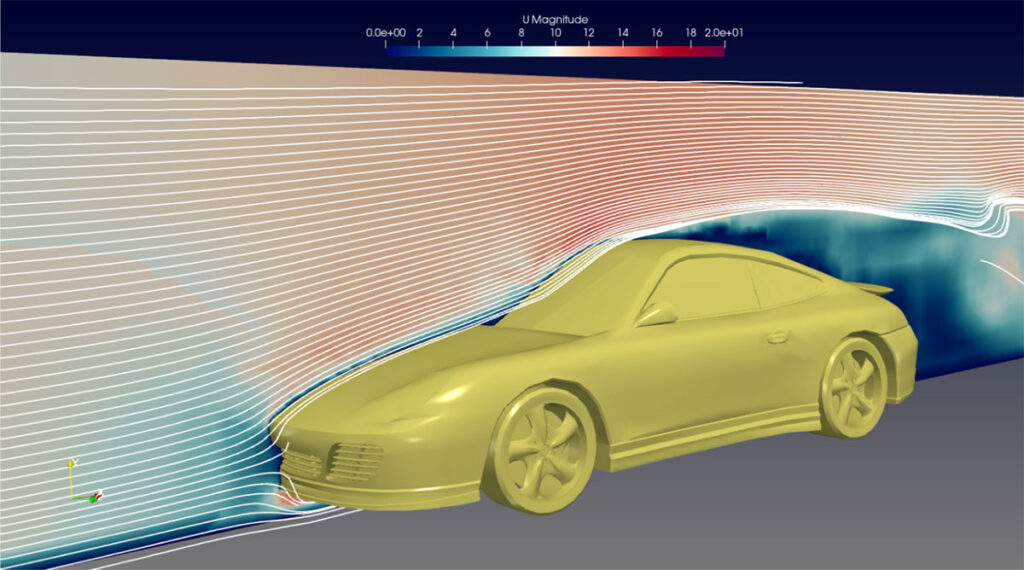
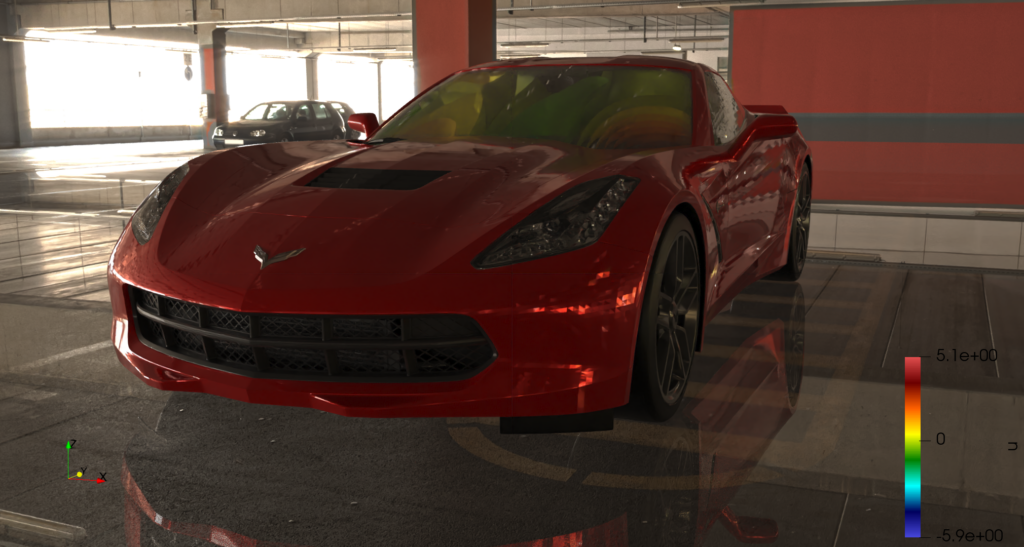
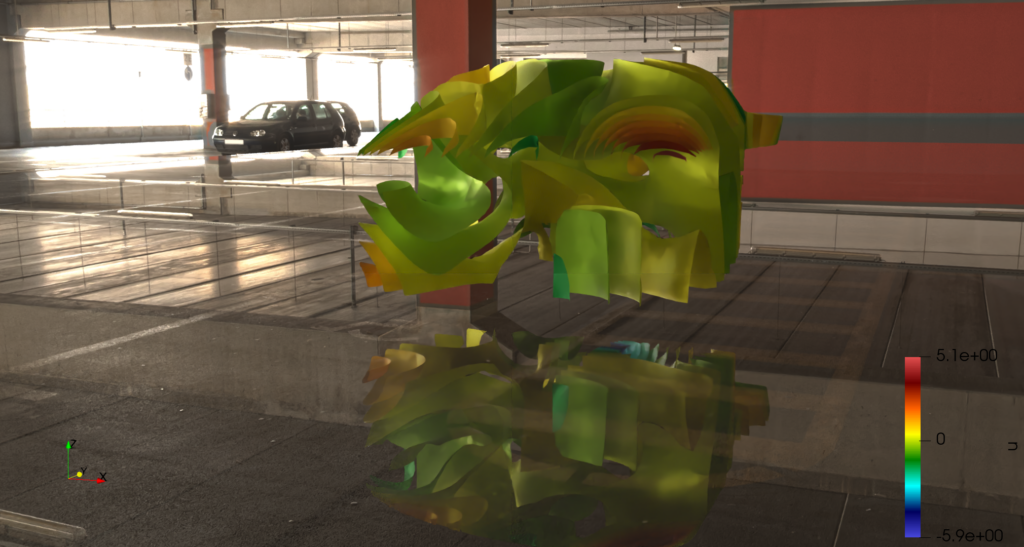
Our team has been busy partnering with leading automotive manufacturers to support their safety and design efforts through advanced simulation. Although we can’t share specifics due to confidentiality, the goal of these collaborations is simple: help engineers understand how a vehicle will perform long before it ever reaches the road.
Our tools, including CMB and ParaView, enable automotive manufacturers to simulate a range of scenarios, from crash behavior to airflow around the vehicle, which affects drag and road noise, to the performance of defrosters on a cold morning, and even the equipment to manufacture the vehicles. These insights allow them to design and manufacture vehicles that are safer, more reliable, and more affordable for the people who depend on them every day.
Simplifying Image Analysis for Life Science Researchers
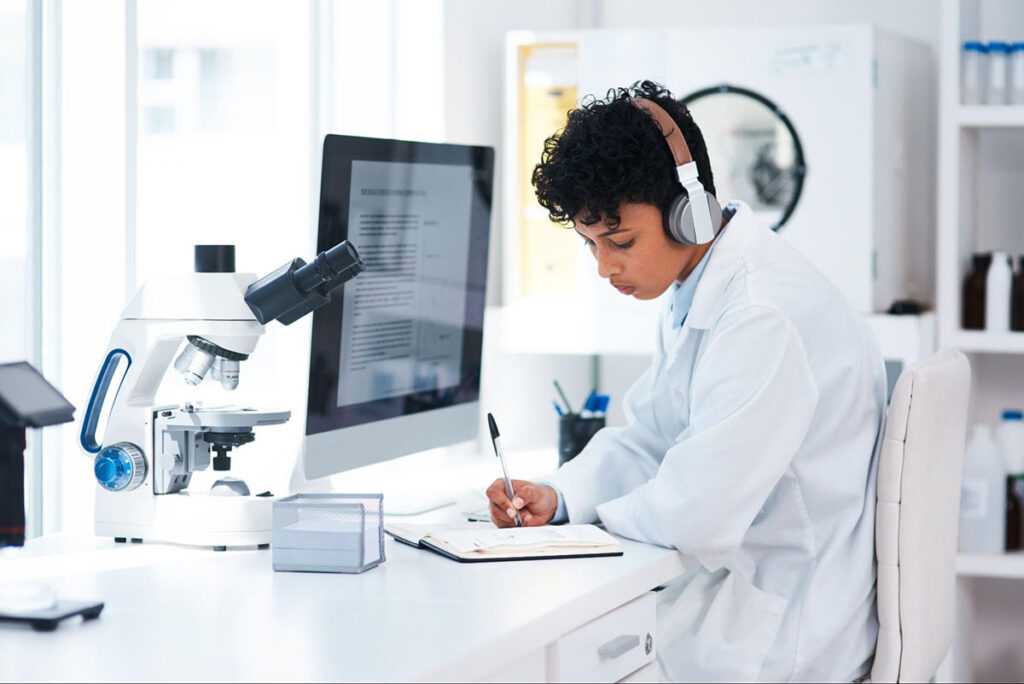
Across labs and classrooms alike, researchers face the same challenge: large, complex imaging datasets that demand hours of tedious processing before any real exploration can begin. Too often, the time that could be spent uncovering new insights is instead spent wrestling with the tools meant to support that work.
NimbusImage was built to change that. By handling massive microscopy datasets directly in the browser and letting users interact with their data visually and intuitively, the platform removes many of the technical barriers that slow down research. Our hope is that NimbusImage will empower biologists to explore their data more freely, accelerate new insights, and ultimately help advance scientific understanding in fields ranging from cancer biology to developmental genetics.
Acknowledgments: NimbusImage has been developed by the lab of Arjun Raj at the University of Pennsylvania, a Professor in the Department of Bioengineering and the Department of Genetics in collaboration with Kitware, creators and maintainers of the open source toolkits ITK and Girder.
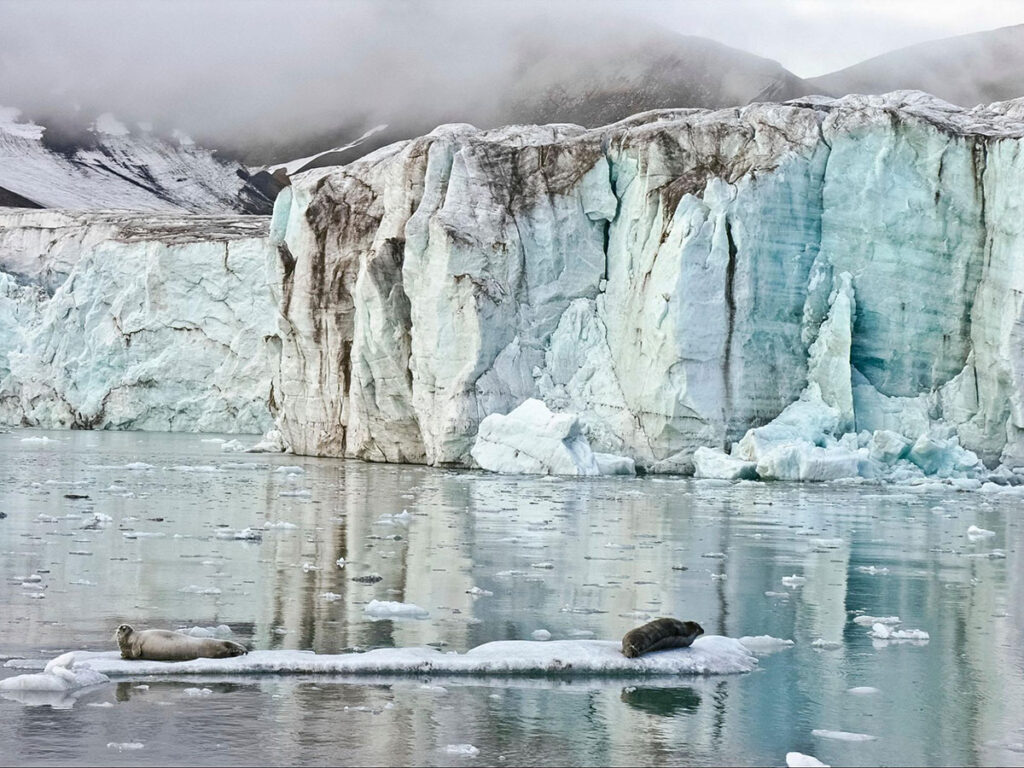
Supporting Wildlife Conservation Through Seal Surveys
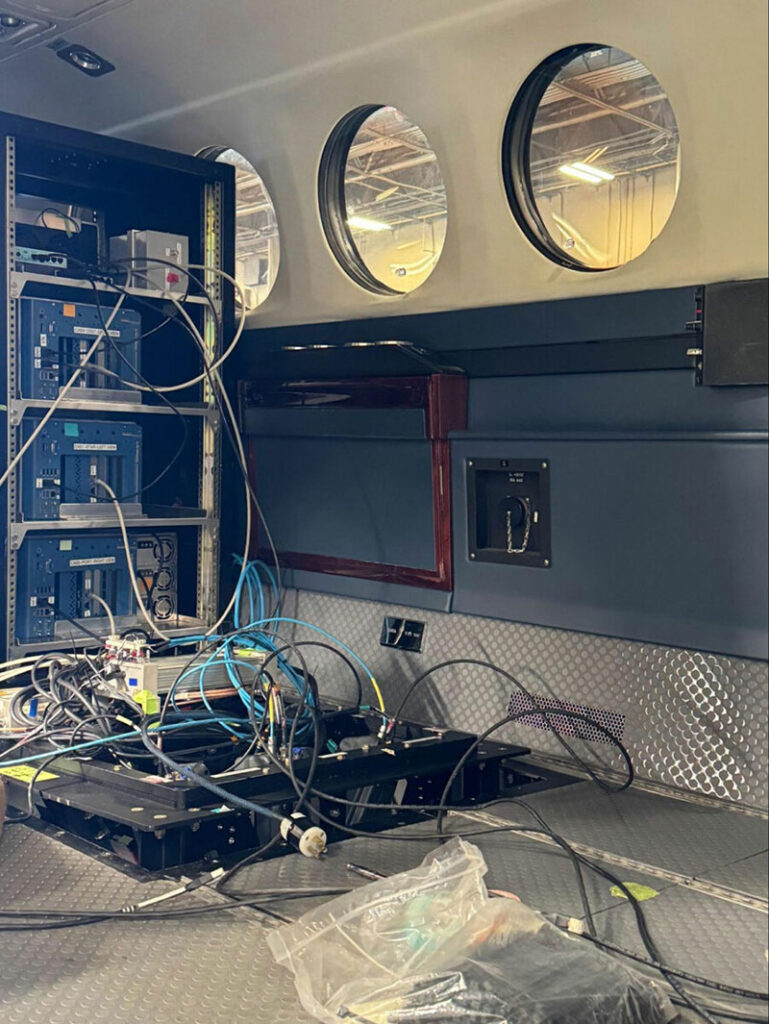
Our team has spent years developing technology that will help the National Oceanic and Atmospheric Association (NOAA) better understand and protect Alaska’s seal populations. Seals play a crucial role in the region’s ecosystems and in the lives of Indigenous communities that depend on them. Following close collaboration with NOAA scientists, Kitware successfully deployed KAMERA, an edge-computing system designed to process aerial survey imagery in real-time, even in the harshest Arctic conditions.
The 2025 field season was a resounding success. For weeks, NOAA researchers flew over the ice, gathering high-resolution imagery that can help track seal populations with greater accuracy and far less manual effort. Our technology has helped streamline this process, enabling scientists to better track and protect vulnerable species and ensure our marine ecosystems remain healthy. Our work was recently published at the Joint Workshop on Marine Vision in ICCV ’25, and our paper can be found here.
Built for People. Powered by Purpose.
As we look toward the year ahead, we’re grateful for the trust and collaboration that make this work possible. The impact of these projects comes from the partnerships and communities that shape them. In 2026, we remain committed to building technology that serves people first and helps create a safer, healthier, and more connected world.