Featured Webinar
May 20, 202612-1pm ET

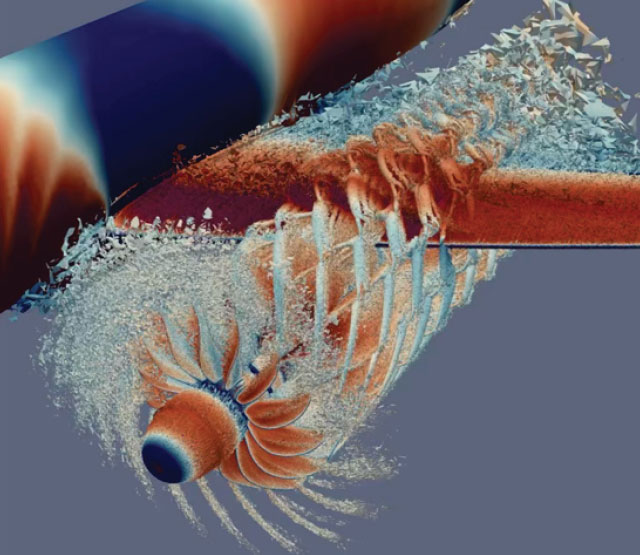
What’s New in In Situ Analysis and Visualization

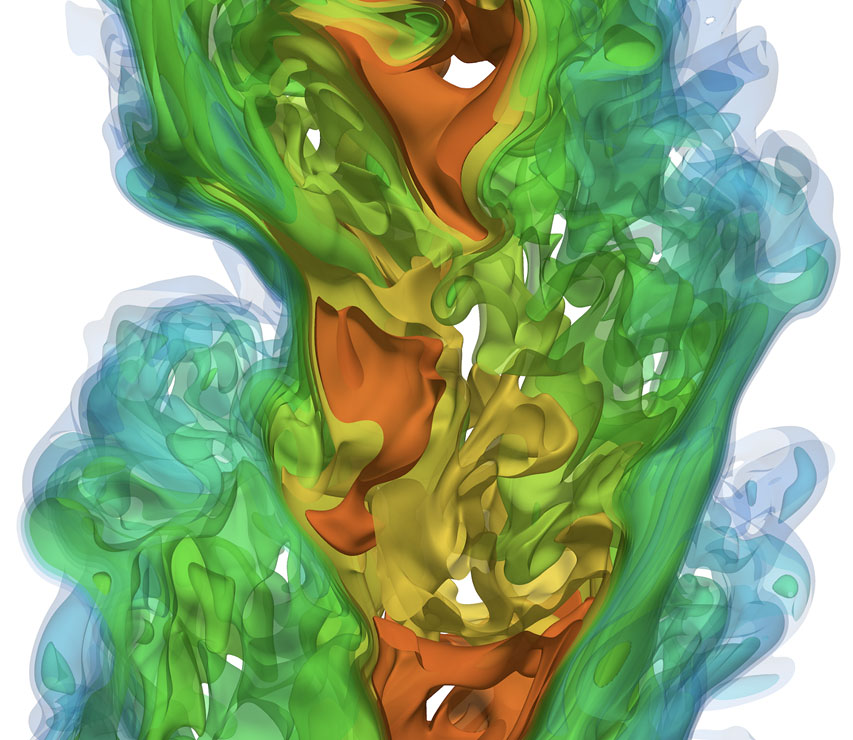
Learn about the exciting new ParaView Catalyst features, including asynchronous execution, GPU workflows, and in-situ AI for HPC.

Upcoming Webinars

May 20, 2026 12-1pm ET
What’s New in In Situ Analysis and Visualization
June 3, 2026 12-1pm ET
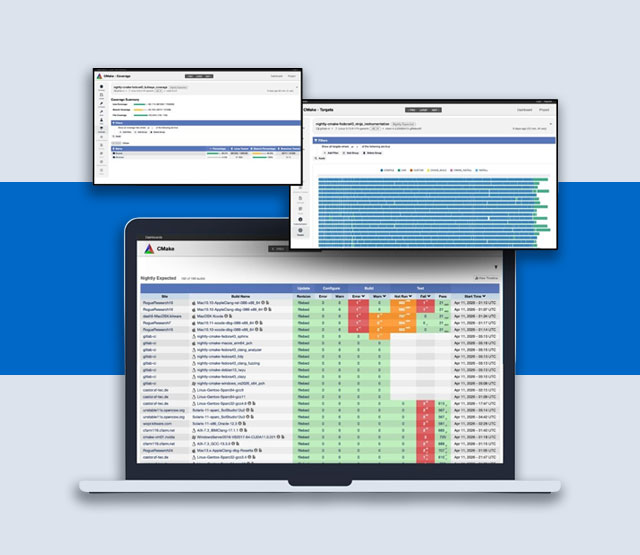
What’s New in CDash
Screenshot of CDash Dashboard
  • VTK Logo
    April 2026

    This webinar provides a practical introduction to the latest release of the Visualization Toolkit (VTK) and highlights new features designed to support modern visualization workflows across research, engineering, and application development.

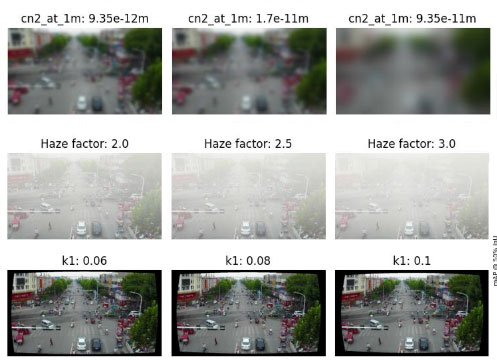
  • Series of video screenshots showing different fog cover
    April 2026

    AI models rarely fail in controlled lab environments — they fail in the real world. But collecting real-world edge cases is expensive, slow, and often impractical.

  • City map with roads highlighted.
    March 2026

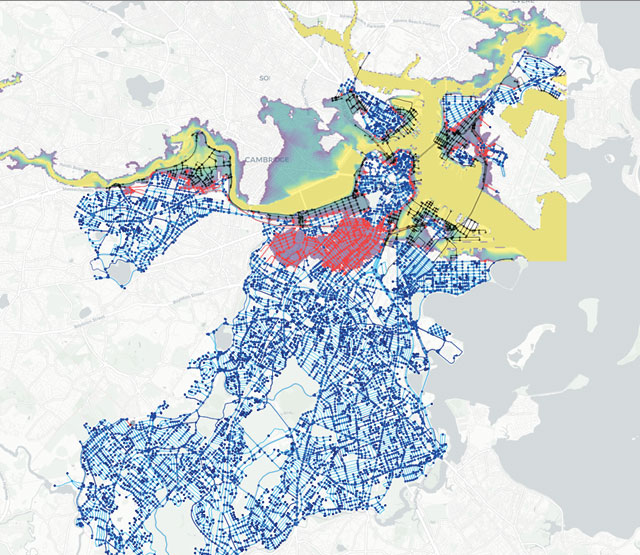
    An overview of GeoDatalytics capabilities for simulating, visualizing, and analyzing risks to urban environments.

  • Simulation of a truck with wind going past it.
    February 2026

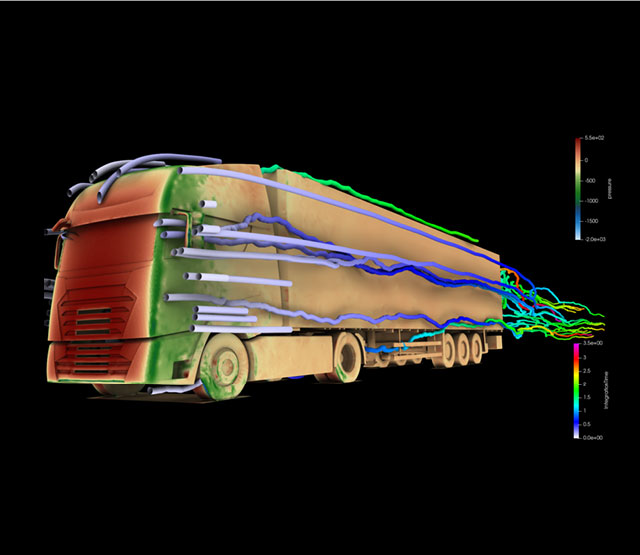
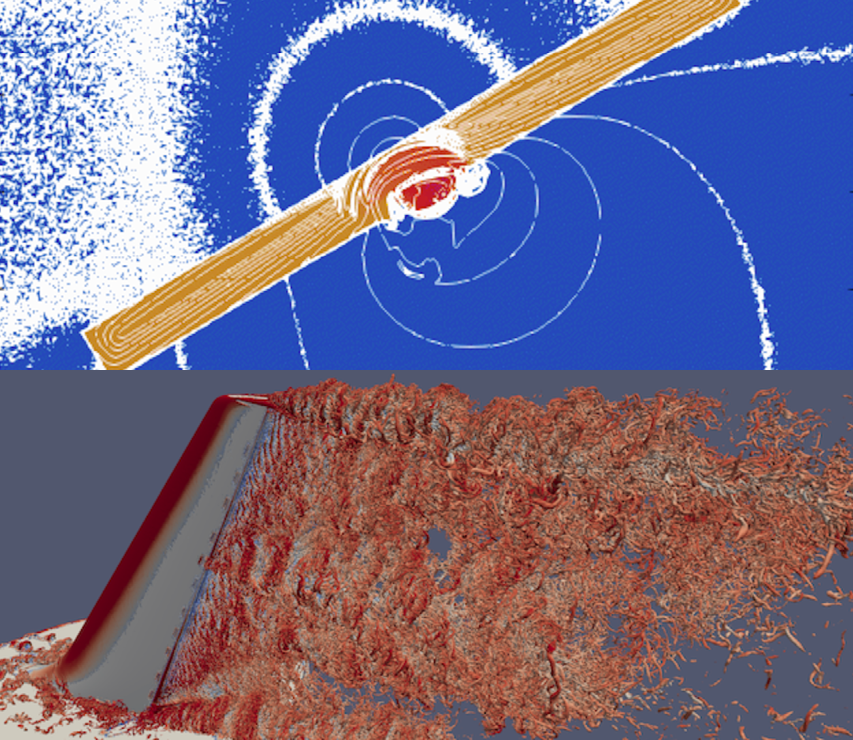
    ParaView 6.1 is scheduled for release on February 6, 2026. This webinar gives you a first look at what’s new and why it matters for your visualization workflows. This session highlights key enhancements that will improve ParaView’s performance, flexibility, and integration with modern visualization and analysis pipelines.

  • Visualization of a human chest showing ribs.
    December 2025

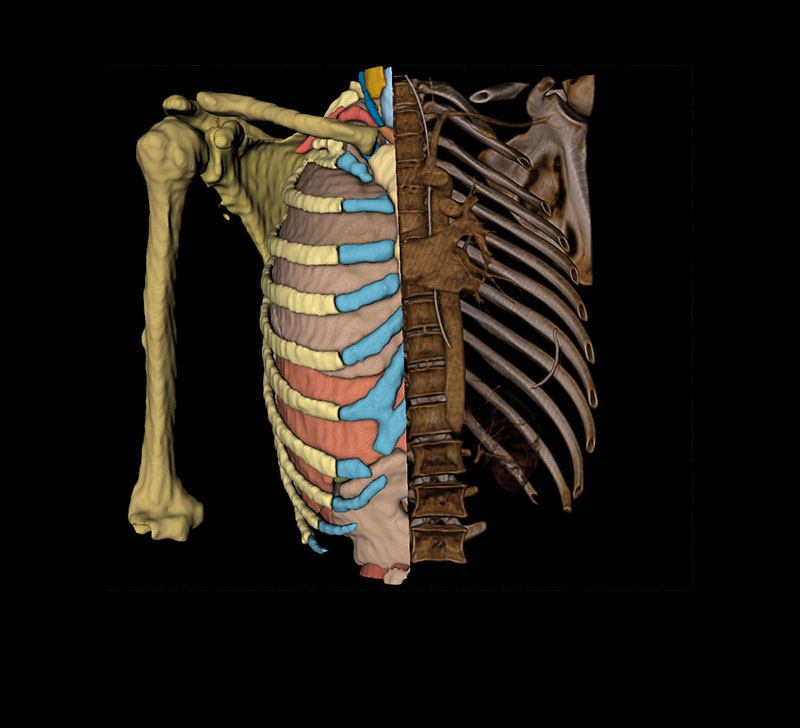
    Join the 3D Slicer team for an in-depth look at the 5.10 release, featuring upgraded core functionality, new modules, and workflow-enhancing tools. This webinar will highlight key improvements and demonstrate how they can accelerate research, development, and clinical experimentation.

  • Screenshot with labels being shown and then below it the same screenshot without the labels.
    November 2025

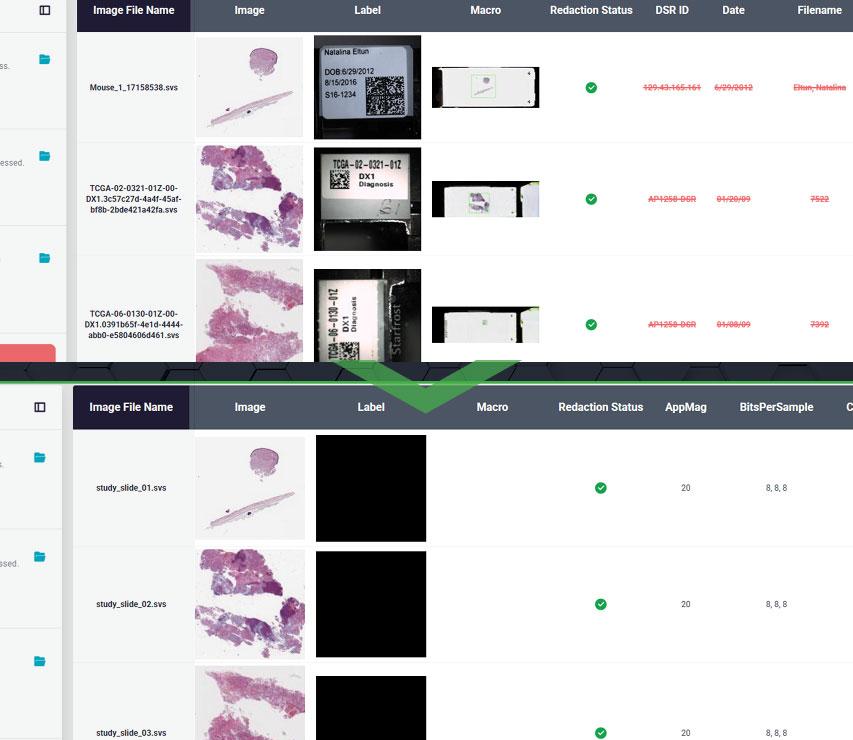
    Researchers face growing pressure to share pathology data while safeguarding patient privacy. Yet protected health information (PHI) often hides within image labels, metadata, or comments—creating compliance risks and collaboration barriers. In this webinar, Kitware experts will demonstrate how to confidently de-identify whole slide images (WSI) so you can accelerate research, simplify data sharing, and maintain full compliance.

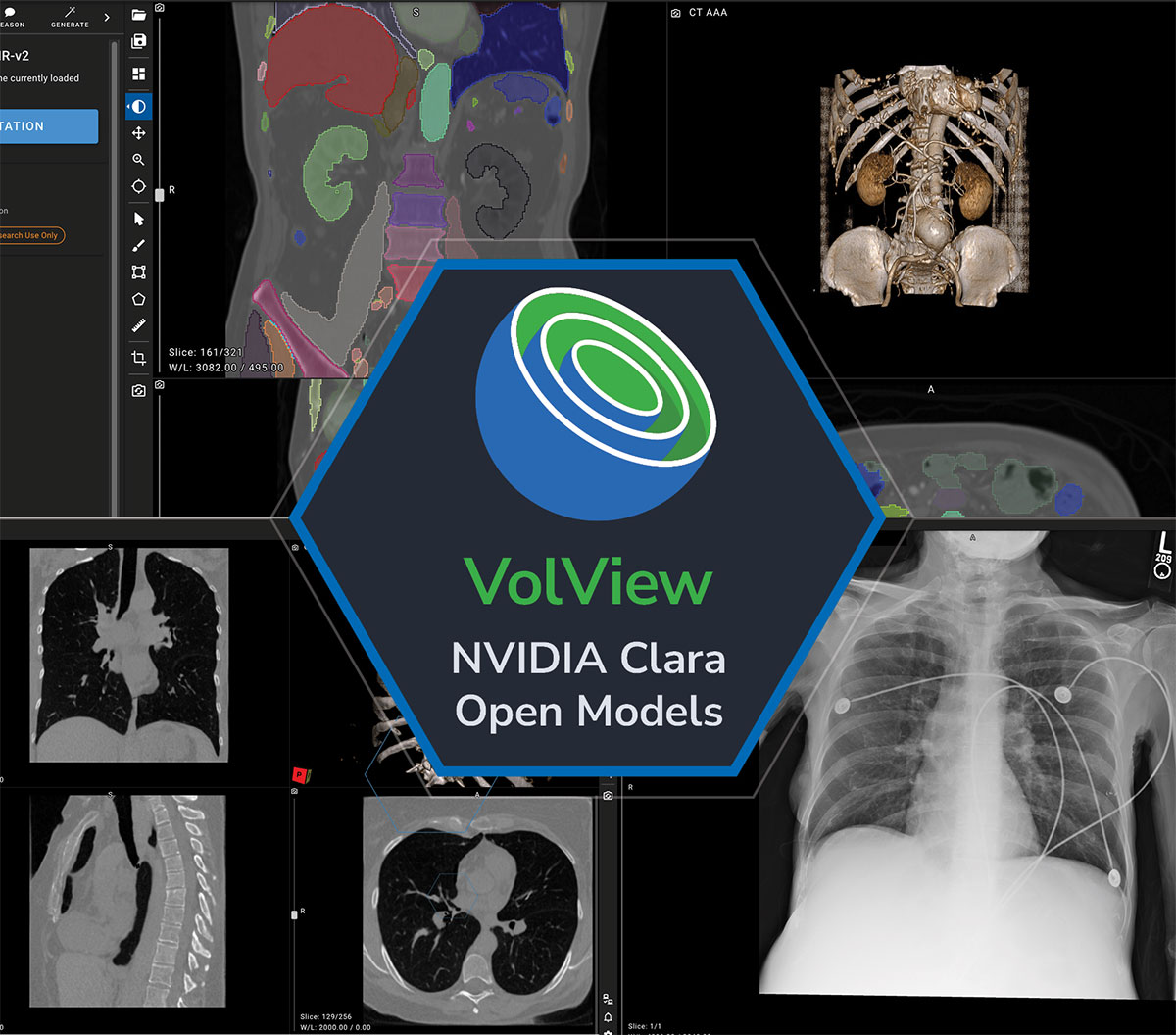
  • VolView NVIDIA Clara Open Models
    November 2025

    Kitware recently demonstrated the integration of NVIDIA Clara open models into VolView, its open source radiology viewer, at NVIDIA GTC conference in Washington DC, October 27–29, 2025. This webinar will take a closer look at that demonstration—exploring the technology behind it, its impact on clinical workflows, and what it means for the future of AI-powered medical imaging.

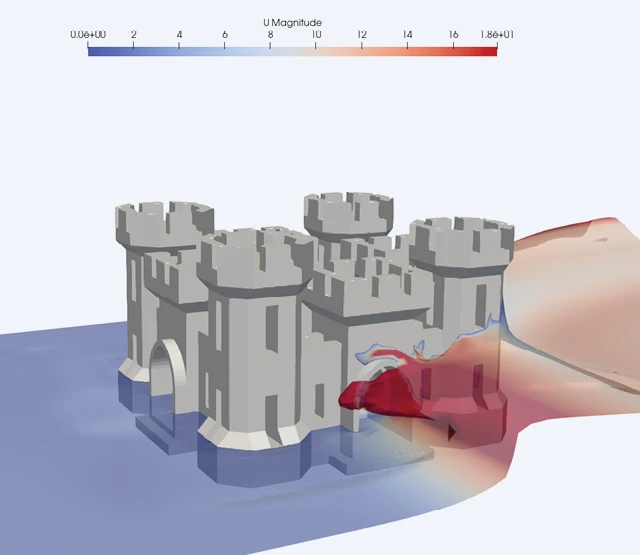
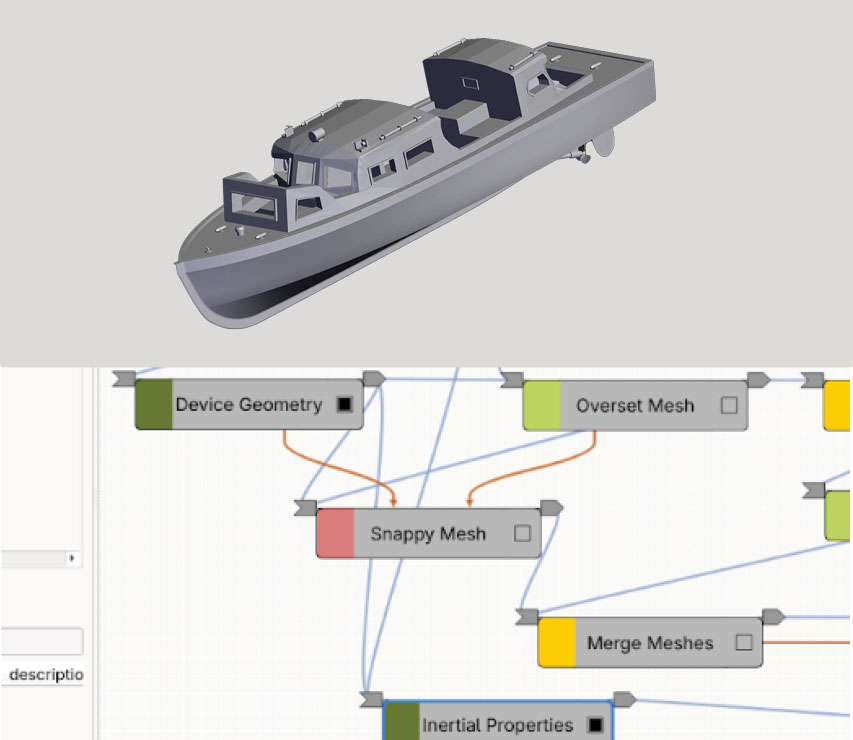
  • Computer model of a ship and screenshot of interconnected nodes
    October 2025

    Computational Model Builder (CMB) offers tools to design task-based workflows. This webinar will demonstrate a workflow built with CMB to model objects in shallow waters using OpenFOAM. By breaking down complex workflows into manageable tasks, users can navigate them easily, avoiding the complexities of general-purpose interfaces. For those requiring advanced capabilities, the full power of ParaView and Model Builder remains accessible.

  • September 2025

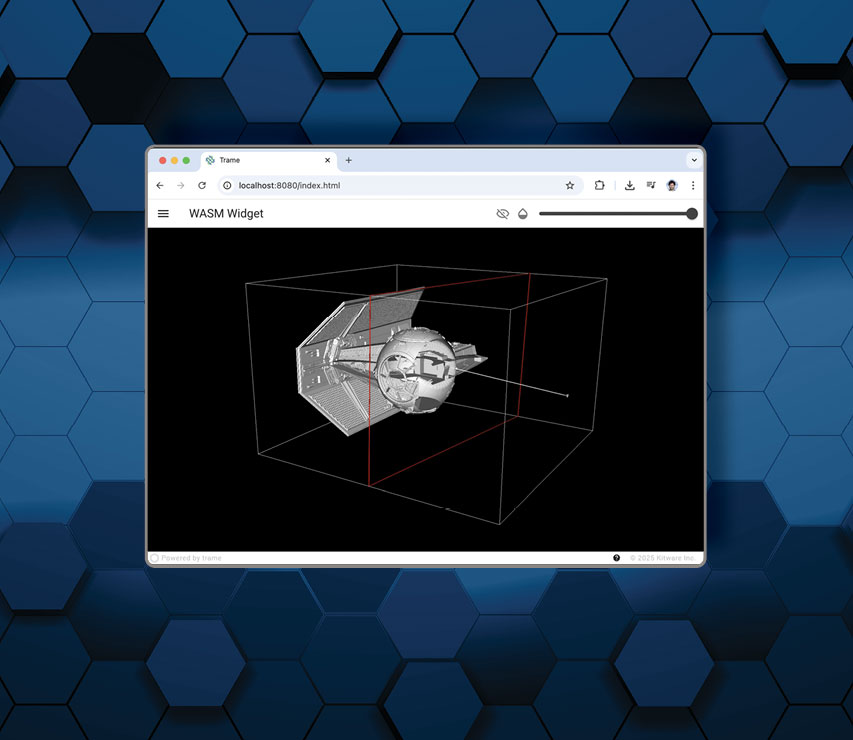
    Learn how to leverage the power of VTK to create interactive 3D visualizations in the browser. Whether you’re using C++, Python, or JavaScript, this webinar will show how to use VTK.wasm.

  • September 2025

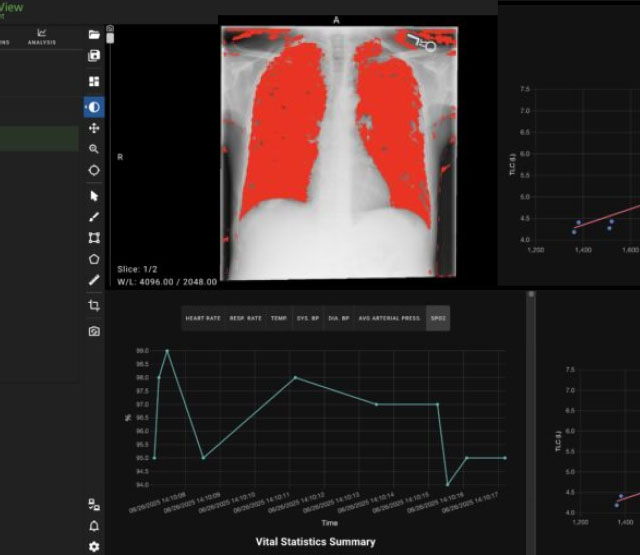
    VolView Insight is a modern, browser-based platform designed to unify imaging, clinical data, and AI workflows. This webinar will introduce researchers and product developers to a fully extensible environment for developing, evaluating, and deploying multimodal clinical AI using PACS, FHIR, and advanced visualization.

  • Learn how to leverage trame’s latest features and the best practices for delivering solutions efficiently
    August 2025

    Join us for a free webinar exploring new features and performance improvements in trame. We'll showcase powerful new capabilities like Jupyter integrations, ParaView desktop bundling, VTK.wasm-based local rendering, and faster remote workflows—plus best practices to help you build better apps, faster.

  • Screenshot of Catalyst software
    August 2025

    Catalyst is a flexible, high-performance platform that enables in situ integration of state-of-the-art analysis and visualization tools, including ParaView and ADIOS. In this tutorial, we will walk through how to integrate Catalyst with your simulation workflow.

  • Startracker Software
    July 2025

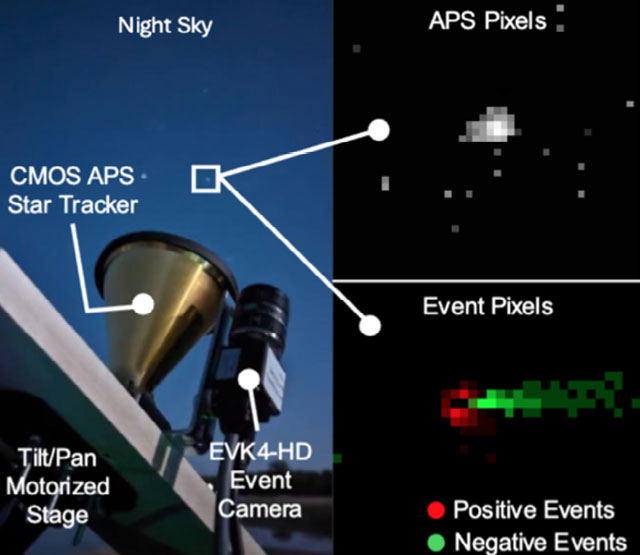
    Discover how event-based sensors (EBS) are revolutionizing star tracking. Unlike traditional systems, this new approach enables rapid, motion-tolerant attitude updates—ideal for today’s fast-paced space environments. Learn how Kitware’s algorithms turn sparse event data into precise, real-time guidance for satellites and other spacecraft.

  • Screenshot of HistomicsTK software
    July 2025

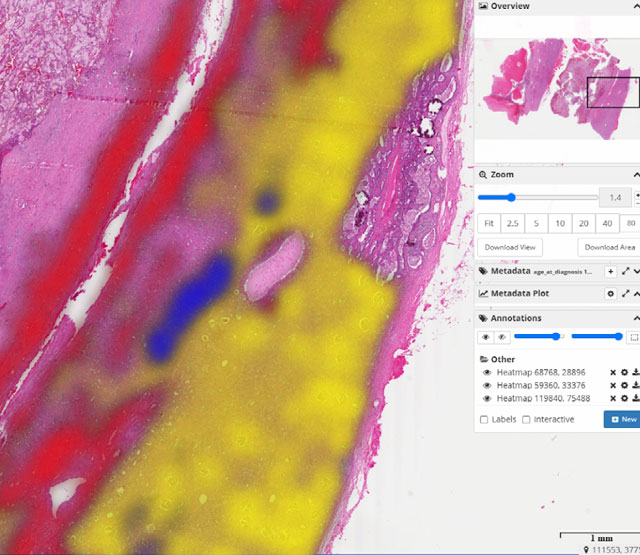
    Learn how to streamline digital pathology workflows with HistomicsTK—an open source platform that combines your data and AI models for scalable analysis and collaboration. This webinar will highlight how HistomicsTK supports high-quality annotations, seamless AI integration, and deployment across local and cloud environments.

  • VTK rendering of a bubble
    June 2025

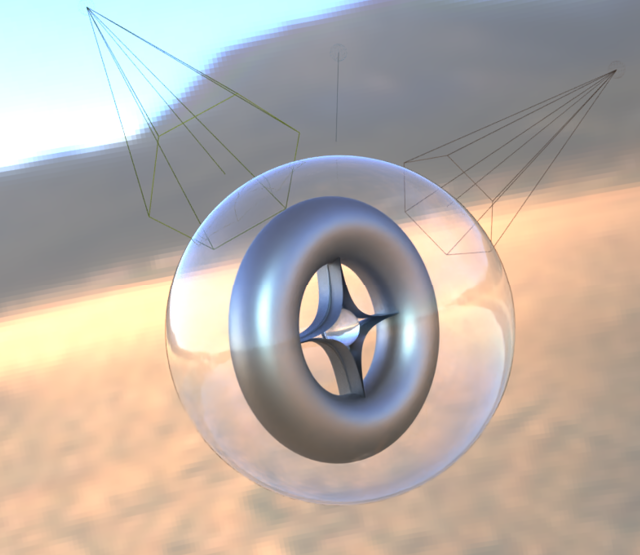
    VTK 9.5.0 has been released, featuring many exciting updates. Join the rest of the VTK community to find out what's new and participate in a live Q&A session!

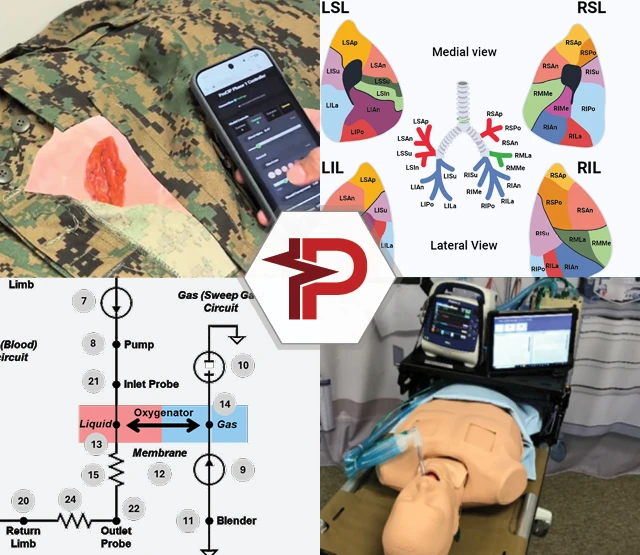
  • Learn how to simulate patient physiology, generate synthetic data, and accelerate research and development with validated open source models.
    June 2025

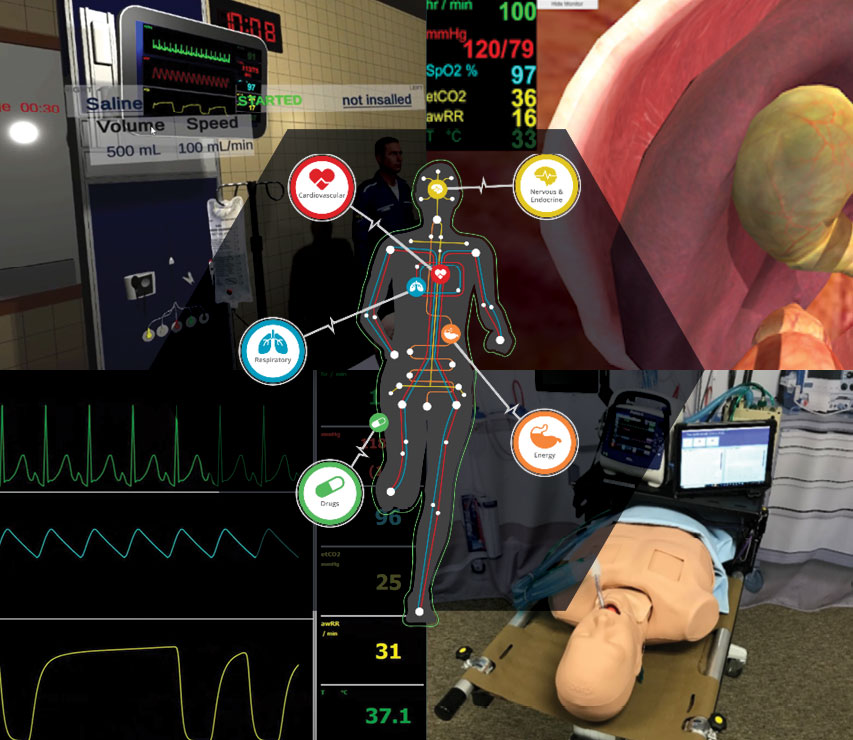
    Explore how the open source Pulse Physiology Engine is accelerating innovation in medical digital twins. This webinar introduces Pulse and its user-friendly Explorer interface, demonstrates real-world use cases in AI, training, and product development, and guides you through the process of getting started.

  • Catalyst simulation
    May 2025

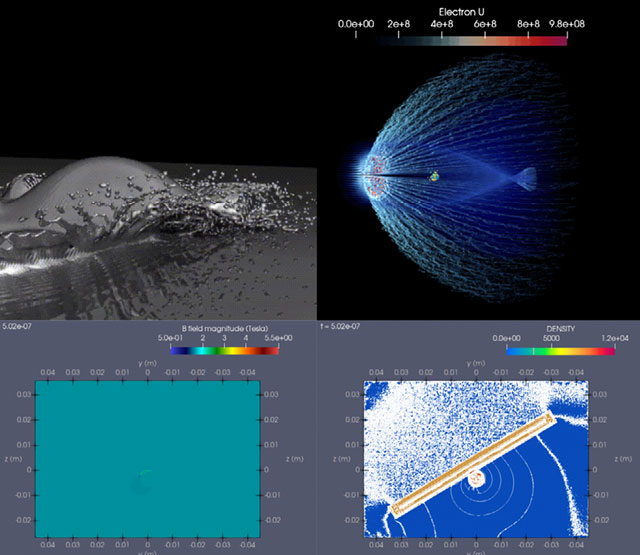
    As simulations grow in complexity and computational demands increase, traditional post-processing pipelines are increasingly inefficient. Catalyst is a flexible, high-performance platform that enables in situ integration of state-of-the-art analysis and visualization tools, including ParaView and ADIOS. Learn how to leverage Catalyst to streamline your workflows without sacrificing functionality.

  • Screenshot of Shape Analysis
    May 2025

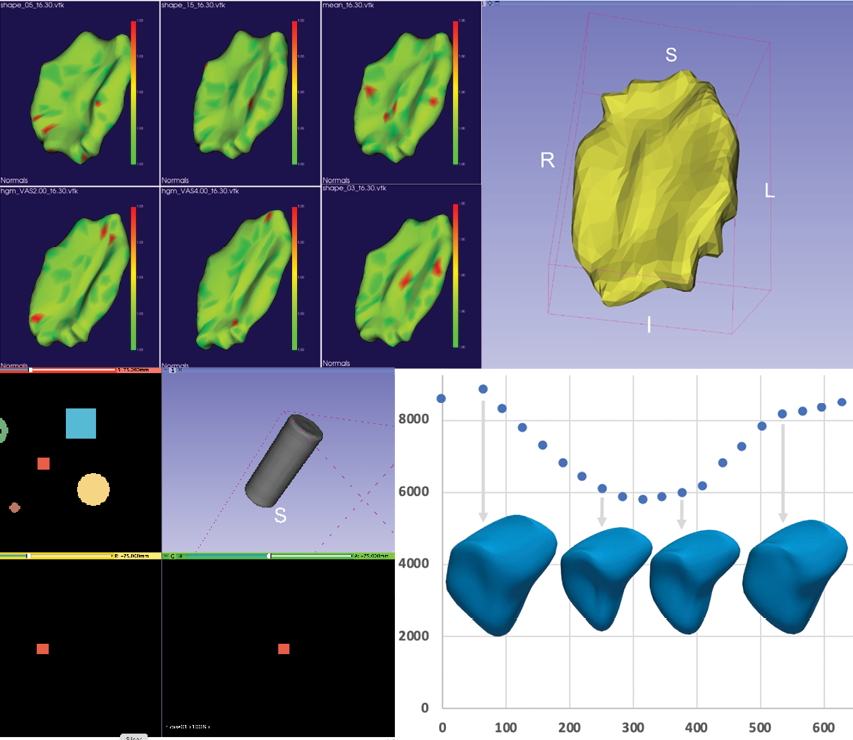
    The Slicer Shape AnaLysis Toolbox (SlicerSALT) is a robust open source toolkit that allows biomedical scientists to precisely locate shape changes in their imaging studies. This webinar will teach you how to use SlicerSALT to interpret dynamic anatomical changes in 3D and 4D through statistical shape analysis. We will go through SALT’s functionality for modeling, performing statistics, and data visualization in diverse anatomical systems. We will also cover how to interpret the multi-dimensional, comprehensive results.

  • What's New in ParaView 6.0
    April 2025

    ParaView 6.0 has been released and features many exciting updates. Find out what's new during this free webinar!

  • CMake Logo
    April 2025

    CMake 4.0 has been released! Find out what you need to know about the transition process to the new major version, and review the exciting features added over the last few years of development.

  • Microworkflows: Making Advanced Simulation Tools More Accessible and Impactful
    April 2025

    Discover how user-friendly microworkflows enhance software usability, expand simulation adoption, and maximize your return on investment by making advanced tools more accessible and efficient.

  • Screenshots of visualizations of a head and chest
    April 2025

    3D Slicer is a powerful open source platform designed for advanced visualization, segmentation, and quantitative analysis. Whether you're conducting clinical research, developing new medical imaging technologies, or building commercial applications, this webinar will show you how to harness 3D Slicer to accelerate innovation. Join Kitware’s experts to learn how you can leverage 3D Slicer to explore real-world applications, development strategies, and commercial support options.

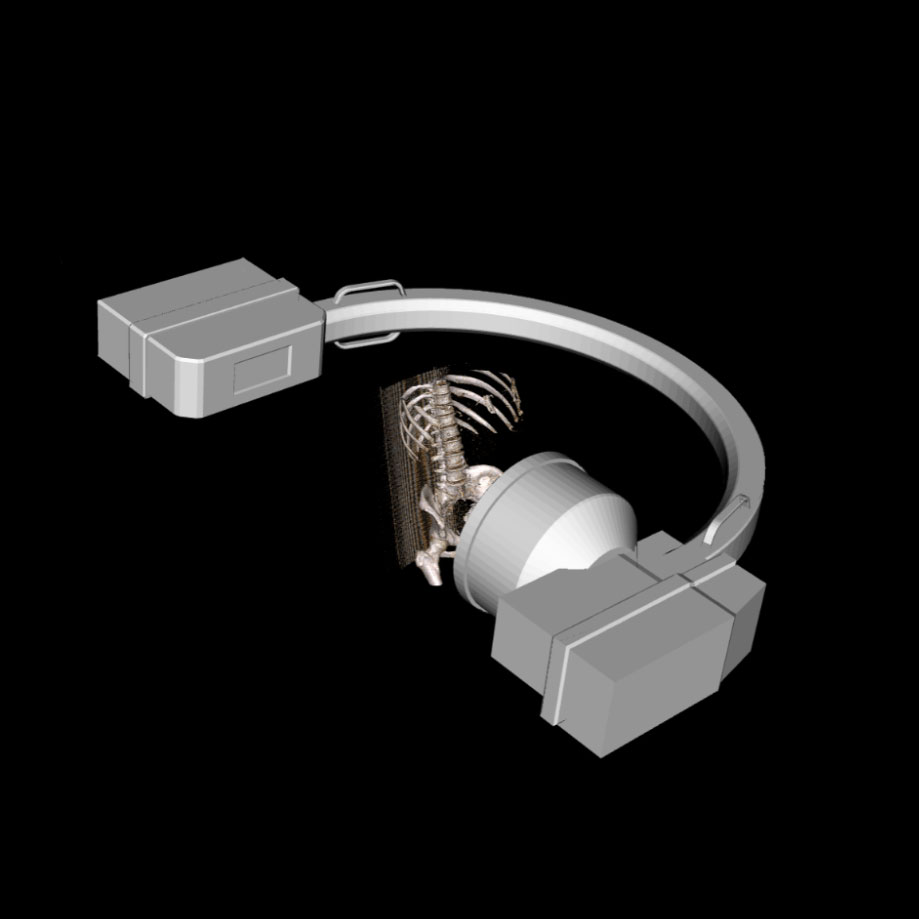
  • Screenshot of X-Ray Genius showing x-ray machine around a skeleton.
    March 2025

    Join us to discover how X-ray Genius is empowering researchers and product developers in synthetic X-ray image generation. Learn how this innovative platform, featuring a flexible architecture and multiple simulation backends, leverages AI and computational techniques to produce high-quality synthetic images efficiently and at scale.

  • Best Practices in Responsible AI
    November 2024

    Join Kitware for a webinar on best practices for adopting responsible AI, drawing on insights from developing AI assurance tools on the CDAO JATIC program and six years of research in DARPA programs. Learn how AI can be designed to navigate ethical challenges, explain its decisions, and reason using human values, even in complex, uncertain scenarios.

  • Visualization of land and what is below it.
    October 2024

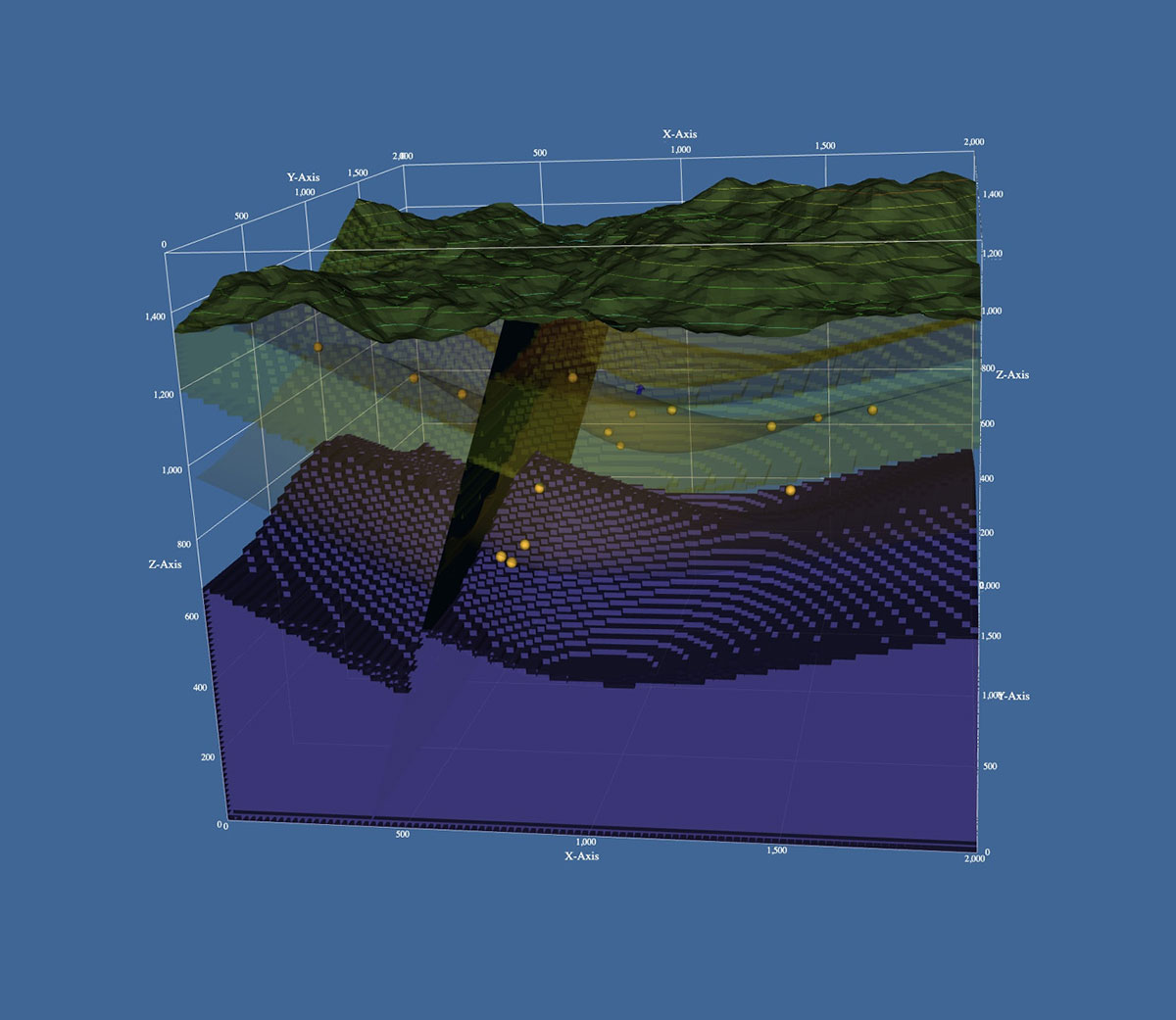
    Creating highly interactive or data intensive applications can be challenging in itself but if you want to venture to the web, things can become even more complicated. What if that was not true and you could leverage your existing team to create such applications? With trame, a single application can be deployed in the cloud, on HPC, run within Jupyter or bundled locally like a regular desktop application.

  • visualization of wind
    October 2024

    With modeling and simulation becoming increasingly important for faster product design cycles, providing easy access to related software tools through the web is one way to ensure engineers and designers can work efficiently to meet their goals. Assembling workflows for modeling, simulation set up, and post-processing on the web enables widespread access to simulation tools, providing faster turnaround time and improved product design.

  • October 2024

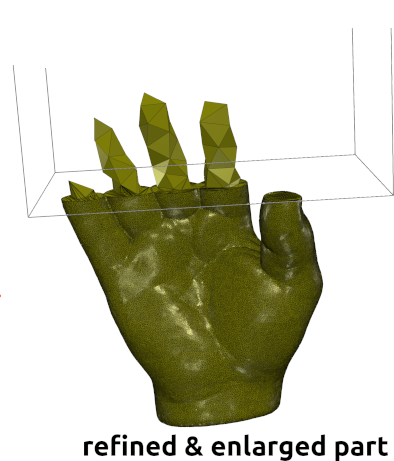
    You probably already know ParaView for its analysis and visualization capabilities. But do you know its meshing features? In this webinar, we will cover some important methods to help anyone who works with meshes in ParaView. Focusing on triangulated surface meshes, we will see how we can check the mesh for important properties (manifold, watertight, …) and attempt to repair some inconsistencies. In a second step, we will see several remeshing methods to create manifold meshes. Finally, we will show how we do advanced geometric operations with triangulated, watertight manifolds, like deformations or boolean operations. During this 30 minutes session, you will discover how to repair damaged mesh, deform them it and use boolean operations.

  • Figure eight in blue color
    September 2024

    Managing dependencies for C/C++ projects can be very challenging. In this webinar, we will provide an overview of how to use Spack and GitLab CI to automatically build a set of interdependent packages as part of your Continuous Integration (CI) process.

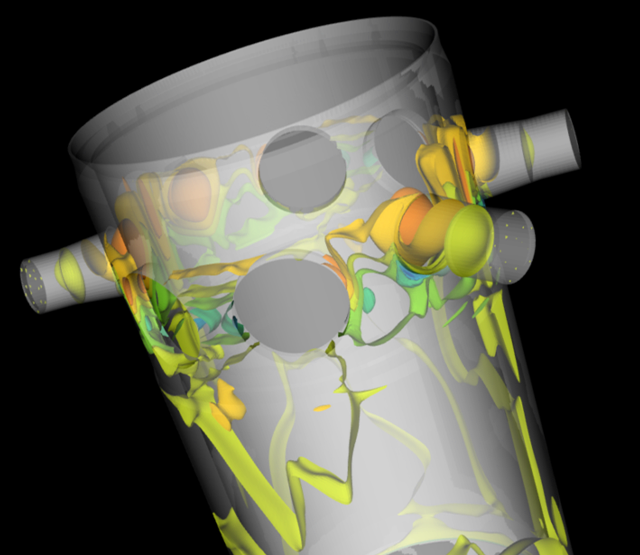
  • visualization of a cylinder
    September 2024

    The Visualization Toolkit (VTK) is an open source, freely available software system for 3D computer graphics, modeling, image processing, volume rendering, scientific visualization, and 2D plotting. vtk.js is an implementation of VTK in JavaScript that consists of an ES6 class library which can be integrated into any web application.

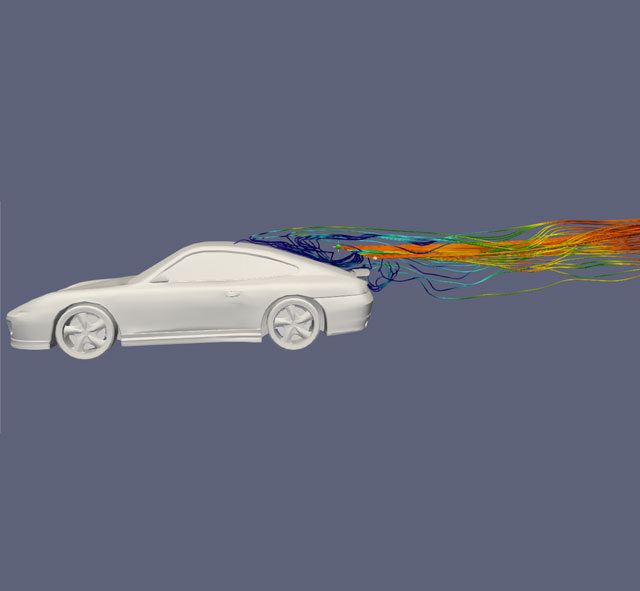
  • Visualization of wind off the back of a car.
    August 2024

    Simulation workflows are complex in many different ways; the physics (especially when multiple solvers are coupled) can be difficult to simulate, requiring many solver parameters to describe the physical and constitutive relationships; the geometry can have a complex shape or be divided into many distinct regions; many experts from different disciplines may need to provide input, requiring data to be passed among people while maintaining provenance; many tools may be required to assemble simulation inputs in the proper format; and simulations are generally part of a cyclical or iterative design process, making provenance complex. Computational Model Builder provides a standard of information exchange and graphical environment for workflow developers to prepare a consistent experience for all the participants in simulation pre- and post-processing and aid in provenance of the process.

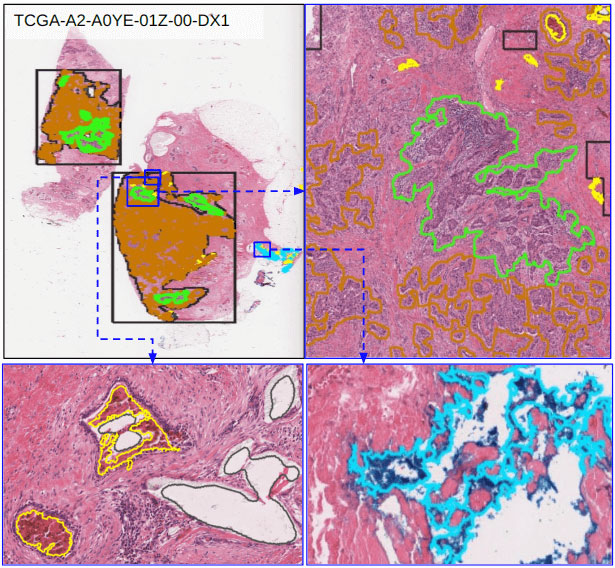
  • HistomicsTK screenshot of cells
    May 2024

    As the digital pathology industry becomes more innovative and competitive, it’s crucial to incorporate cutting-edge technology and adopt the latest advancements into your workflows. Incorporating AI and web functionality will allow your team to work more efficiently, produce more reliable results, and improve collaboration.

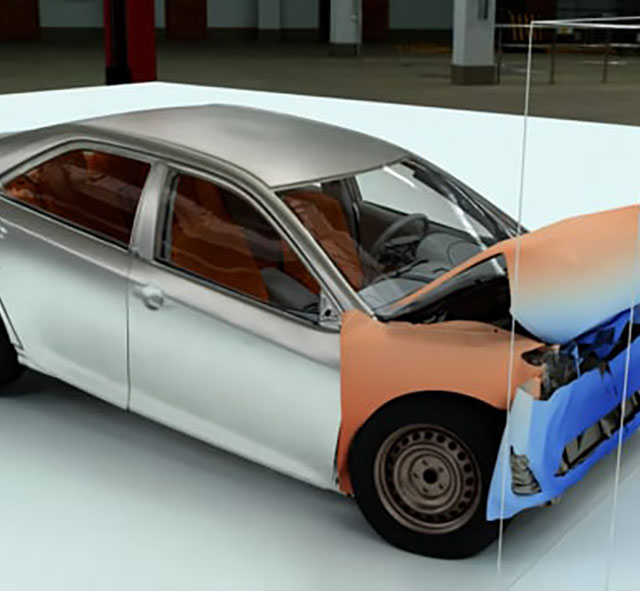
  • Simulation of car hitting an object in front of it.
    February 2024

    This webinar focuses on using ray-tracing rendering capabilities of ParaView in order to obtain stunning visuals of scientific datasets. Explore the integration of Intel OSPray and the new material editor available in the 5.12 release of ParaView.

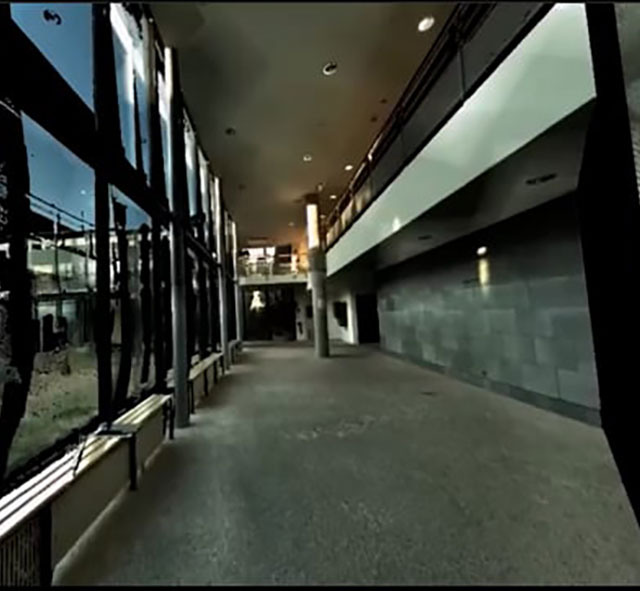
  • Looing down a hallway from first person perspective.
    January 2024

    This webinar focuses on AR (Augmented Reality) , VR (Virtual Reality) and XR (eXtended Reality) tools within ParaView in order to perform immersive data exploration.

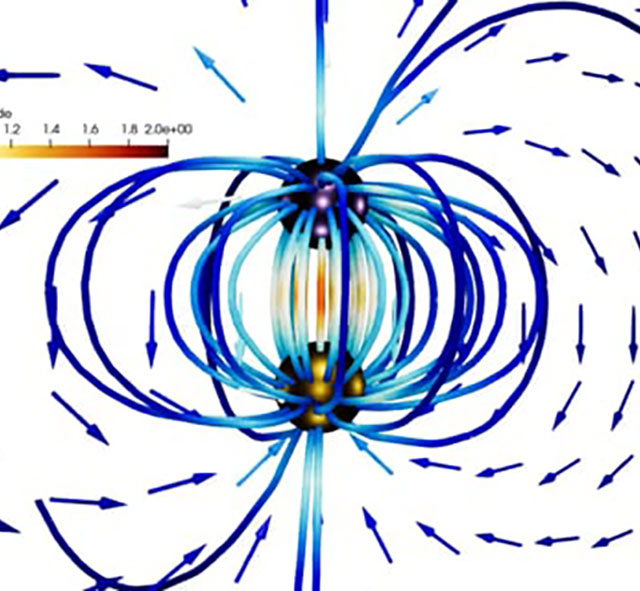
  • Visualization showing electromagnetics.
    September 2023

    In this 30 minute webinar, you will learn the initial steps to explore and visualize data from electro-magnetics simulations that can be performed in COMSOL, Elmer FEM, FEniCS or MEEP, among many others. Discover how to explore and reduce your data, visualize electric and magnetic vector fields in various representations, compute new variables, plot and compare data, and learn many tricks to enhance your productivity with ParaView!

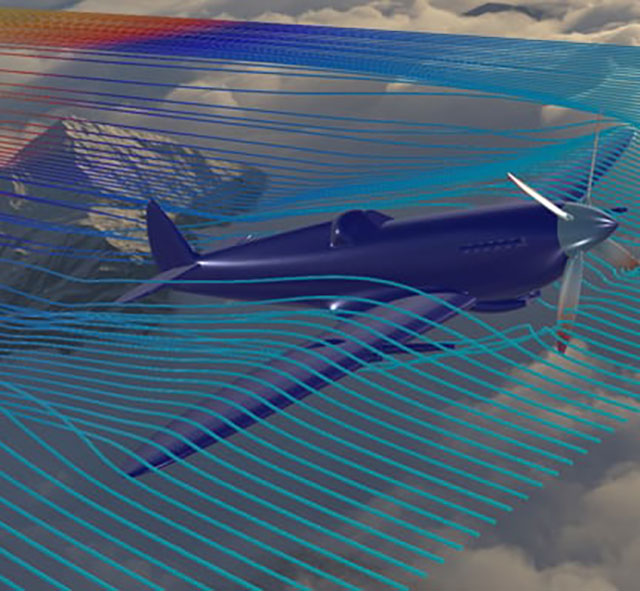
  • Model of a spitfire airplane showing visualizations of airflow around it.
    March 2023

    In this webinar, you will learn the first steps to explore and visualize data from computational fluid dynamics simulations (CFD) such as OpenFOAM, StarCCM+, Code Saturne or Fluent. Explore and reduce your data, visualize scalar fields and vector fields, compute new variables, plot and compare data, and learn many tricks to enhance your productivity with ParaView!

We're sorry, but no webinars were found based on your current filters. Please revise your selections.

Tell us what you want to learn next.

Click the link below to share your topic ideas with our team.