How VTK Is Evolving to Support Modern Visualization Workflows
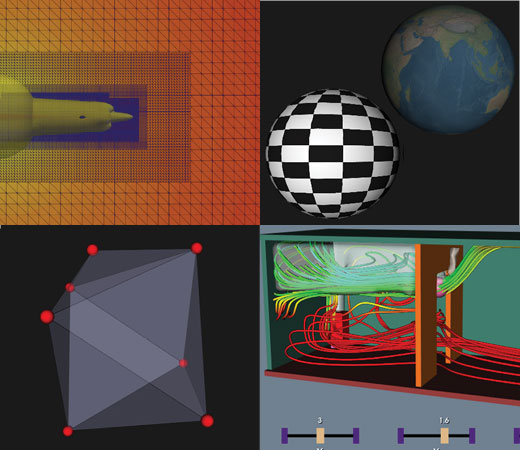
Scientific visualization workflows are evolving rapidly. As datasets grow larger and analysis pipelines become more complex, developers increasingly expect visualization tools that integrate with data science environments, support web-based access, and scale with modern computing workflows.
The Visualization Toolkit (VTK) continues to evolve alongside these changes. Ongoing improvements across the toolkit, including updates to data models, expanded language support, and new capabilities introduced in VTK 9.6.0, are helping developers build visualization systems that better integrate with modern scientific computing environments.
These developments reflect broader trends in how visualization is used today, not only as a final step in analysis but as an integral part of data exploration and collaboration.
Visualization in Modern Workflows
In many scientific environments, visualization is no longer used only after simulations or analysis are complete. Modern workflows generate large amounts of data through simulations, machine learning models, and automated analysis pipelines.
As visualization becomes more integrated into scientific computing workflows, VTK continues to expand its capabilities to better support how teams interact with data throughout analysis and exploration. In these environments, visualization helps teams:
- Validate intermediate results.
- Explore complex datasets.
- Generate insights during analysis.
- Support collaboration across teams.
These evolving demands are why VTK continues to expand its support for complex data, multiple programming environments, and flexible deployment models.
How VTK Is Adapting to Modern Visualization Workflows
Recent developments across the VTK ecosystem illustrate how the toolkit is evolving to support these modern visualization workflows.
Handling Complex Simulation Data
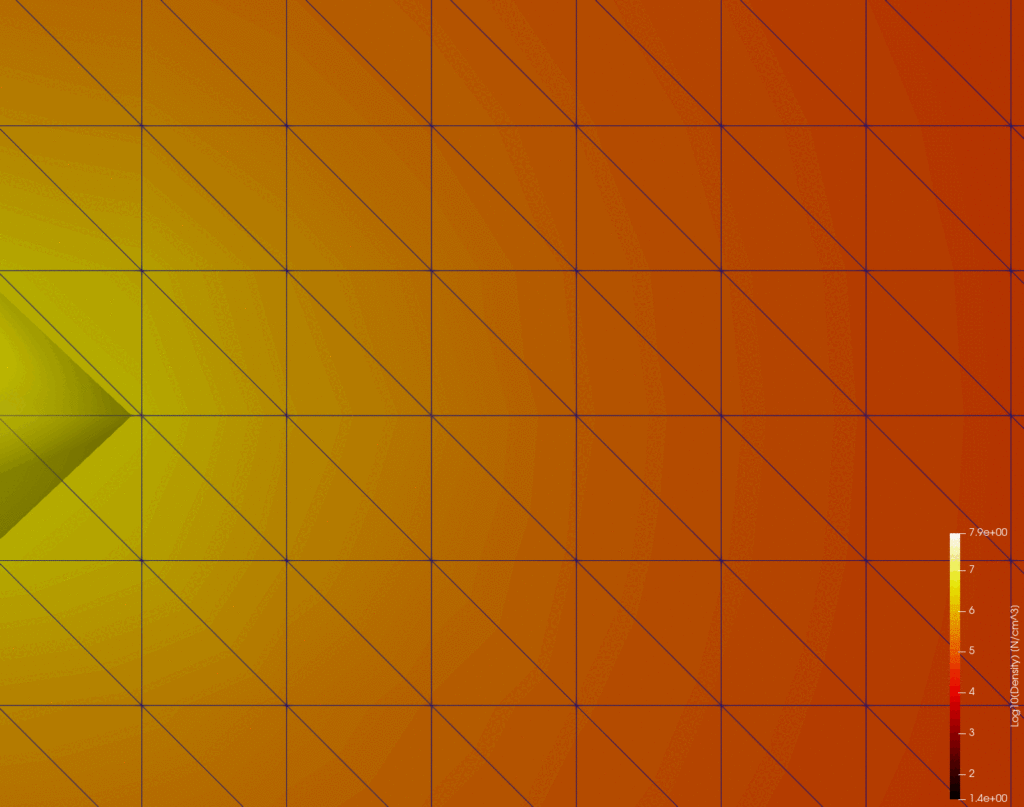
Many simulations rely on adaptive mesh refinement (AMR), which represents different regions of a model with varying levels of resolution. Updates to the AMR data model in VTK improve how these datasets interact with visualization filters, making multi-resolution data easier to process and analyze.
Support for Multiple Development Environments
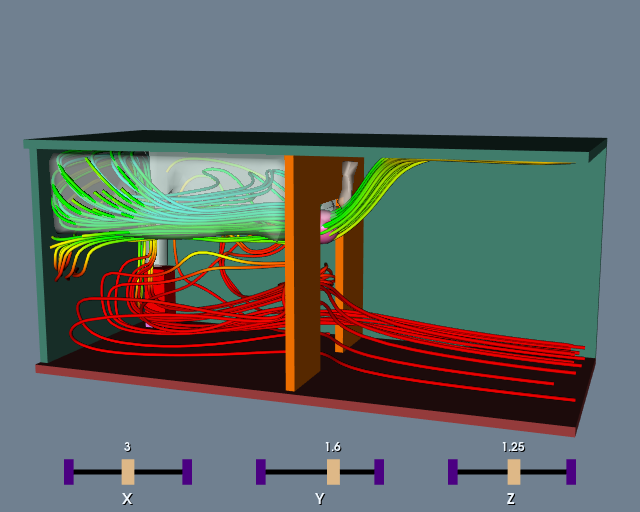
Scientific computing workflows often combine multiple programming languages and tools. VTK’s polyglot capabilities allow developers to use the toolkit across multiple programming environments while maintaining a consistent visualization framework.
Enabling Browser-Based Visualization
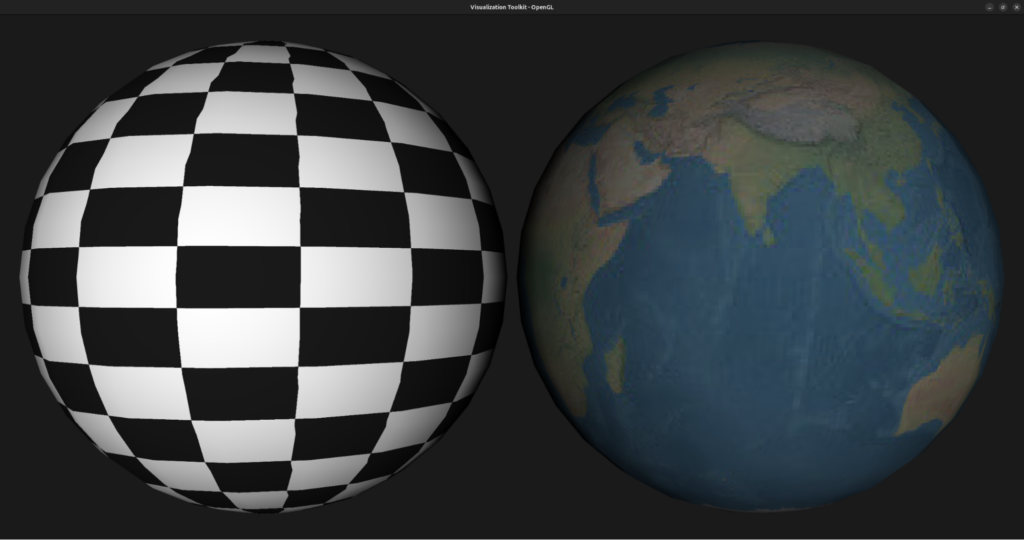
Visualization tools are increasingly moving beyond desktop applications. VTK 9.6 expands support for running VTK applications in the browser using technologies such as WebAssembly and JavaScript wrappers. Developers are also combining VTK with tools such as trame and Jupyter to create interactive visualization environments accessible through a web browser.
Emerging AI-assisted workflows
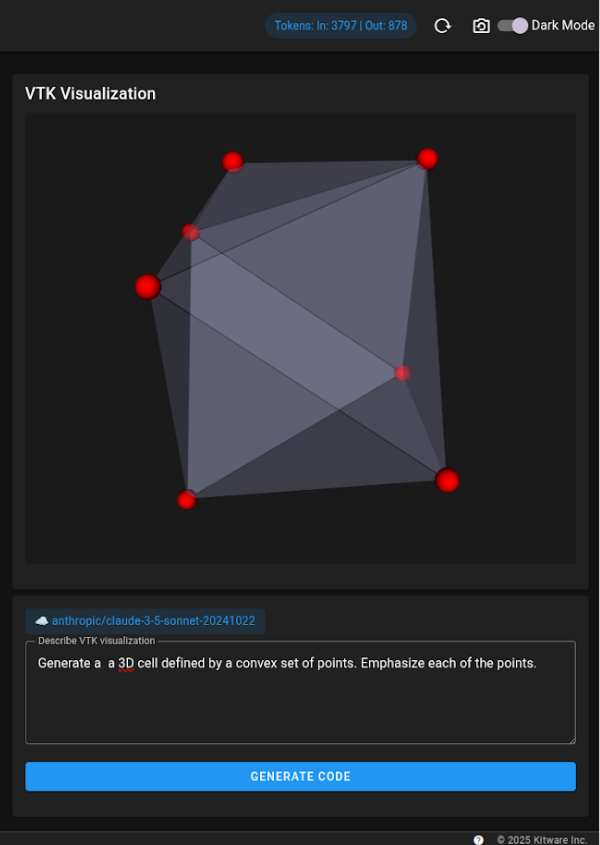
New approaches are exploring how artificial intelligence can simplify visualization development. Projects such as VTK-Prompt demonstrate how AI-driven interfaces can help generate visualization pipelines by translating user prompts into visualization operations.
VTK 9.6.0 also introduces native ONNX inference support through the vtkONNXInference filter, enabling machine learning models to run directly within VTK pipelines.
Together, these developments reflect how VTK continues to evolve alongside modern scientific computing practices.
What These Developments Mean for Visualization Developers
Together, these updates illustrate how VTK is evolving to support modern scientific workflows. From improved handling of complex simulation data to support for web-based applications and emerging AI-assisted tools, VTK continues to adapt to the needs of developers working with large and complex datasets.
As visualization becomes more deeply integrated into scientific computing pipelines, these capabilities help developers build more flexible and scalable visualization systems.
Looking Ahead
As scientific workflows continue to evolve, visualization tools must adapt to new data environments, computing platforms, and collaboration models. Developments across the VTK ecosystem, from improvements to core data models to support for web-based applications and emerging AI-assisted tools, reflect the toolkit’s continued evolution alongside modern visualization practices.
By aligning with these trends, VTK provides developers with a flexible foundation for building visualization systems that can scale with increasingly complex data and workflows. These capabilities help ensure that 3D visualization remains an integral part of modern scientific computing and engineering workflows.
Contact UsWant to explore what’s new in VTK 9.6.0?
Join us for our upcoming VTK Release Webinar on April 22 at 12:00 PM ET, where our team will walk through the latest updates and discuss what’s next for the toolkit.