2026 Military Health System Research Symposium (MHSRS)
August 3-6, 2026 | Orlando, Florida | Booth #624
The Military Health System Research Symposium (MHSRS) is the premier scientific meeting dedicated to advancing research and technologies that support Warfighter health and medical readiness.
At MHSRS, we shared how our open source software and technical expertise can support military medical research and development in areas including:
- Physiological modeling of trauma, disease, and treatment response
- Digital twins
- Trauma imaging and triage
- AI/ML and LLMs
- Medical image analysis and visualization
- Simulation environments for training
- Hardware-in-the-Loop testing and evaluation
Polytrauma and Treatment Simulation
Kitware’s Pulse Physiology Engine provides validated physiological and injury modeling that enables realistic trauma simulation without relying on animal or human testing.
Researchers and program teams can simulate a variety of medical conditions and scenarios, including:
- Hemorrhage
- Burn
- Respiratory compromise
- Shock states
- Blast and impact injuries
- Treatment responses
These capabilities can be used to create realistic training environments, improve battlefield medical readiness and care in the field, and accelerate the development and evaluation of medical devices for real-world use.
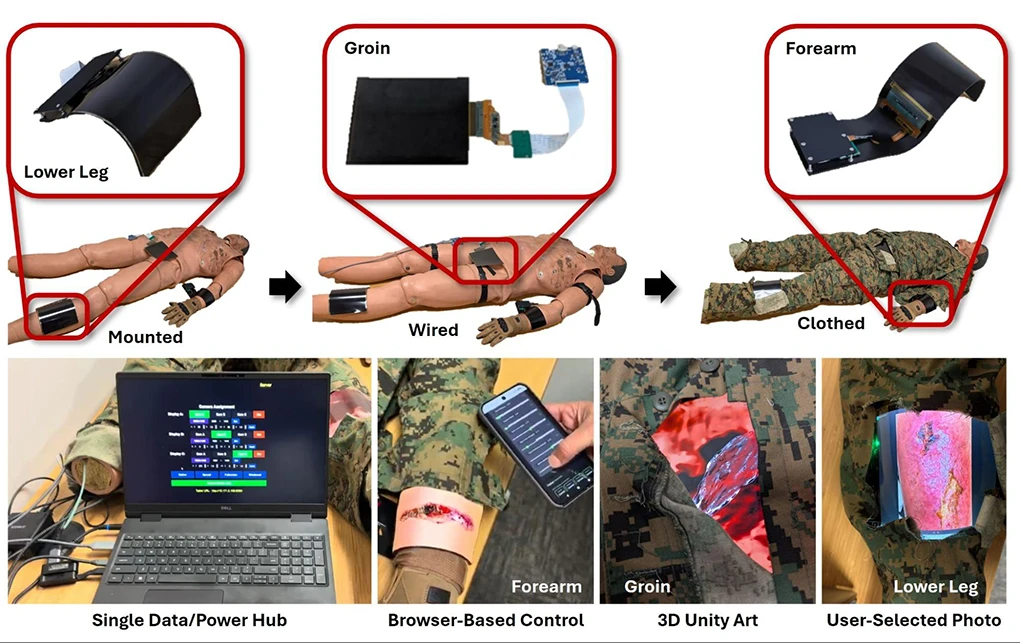
DEMO: We are excited to demonstrate our new digital moulage wound simulation tool, which uses flexible wearable displays to present realistic injuries on a manikin or live actor. The system creates an interactive environment for wound assessment, progression, and care training. Within a single training scenario, students can:
- Adjust wound transparency to reveal the underlying anatomy and vasculature
- View wound progression at various time points, such as the point of injury, after cleaning, four hours later, or four days later
- Display real wound photographs or custom wound imagery on the wearable screen
- Modify wound characteristics in real-time, including severity, dirtiness, scabbing, infection, and skin tone
- Observe multiple synchronized injuries at different locations on the patient
AI-Driven Perception and Decision-Making
Our team has been leveraging AI to support medical decision-making in resource-constrained environments, including the battlefield and natural disasters. Our solutions help clinicians and care teams analyze medical data, interpret imaging, and identify critical findings more quickly and consistently. These capabilities can help improve triage, accelerate treatment decisions, and deliver actionable insights at the point of care to support warfighter health and enable more informed medical decisions when resources are limited.
DEMO: Our team will be demonstrating a rugged, headset-mounted system designed to support Tactical Combat Casualty Care (TCCC). Using edge AI, the system will automatically recognize patients, track the care they receive, and generate records under challenging field conditions. By reducing the need for manual documentation, this technology helps medics remain focused on patient care while improving continuity of care beyond the point of injury. Video courtesy of Kitware and RTX BBN Technologies.
Proven Expertise in Digital Pathology
Effective implementation requires deep domain expertise in whole-slide imaging, AI pipelines, and digital pathology workflows.
Kitware’s work is grounded in proven platforms like HistomicsTK and extended through custom architectures designed for performance, scalability, and long-term product growth.
We also support reproducible, auditable workflows aligned with regulated research and clinical environments and work with organizations to meet specific validation and compliance requirements.
Examples of Our Work
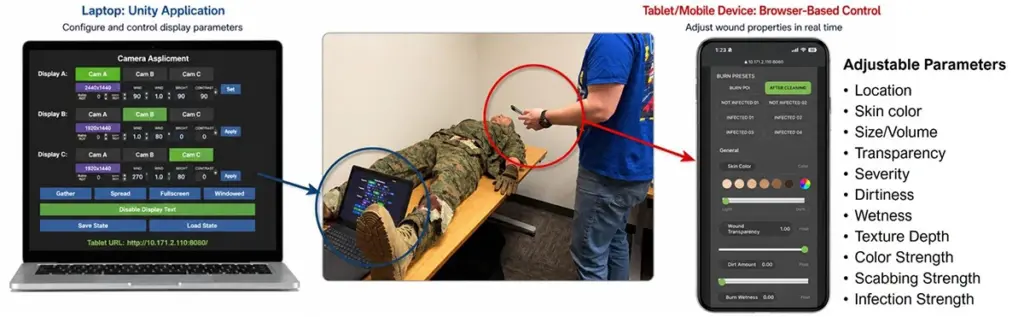
DARPA In the Moment (ITM): Kitware is supporting DARPA’s In the Moment (ITM) program, which is exploring how AI can assist decision-makers in complex, high-stakes environments. During Phase 1, the program focused on military medical triage in resource-constrained settings. Kitware developed algorithmic decision-makers designed to align with human judgment and decision-making priorities. The team also used the Pulse Physiology Engine to generate synthetic patient data and digital twins representing a wide range of injuries, physiological conditions, and treatment scenarios. This work supports the development and evaluation of ethical, explainable AI systems for medical decision support.
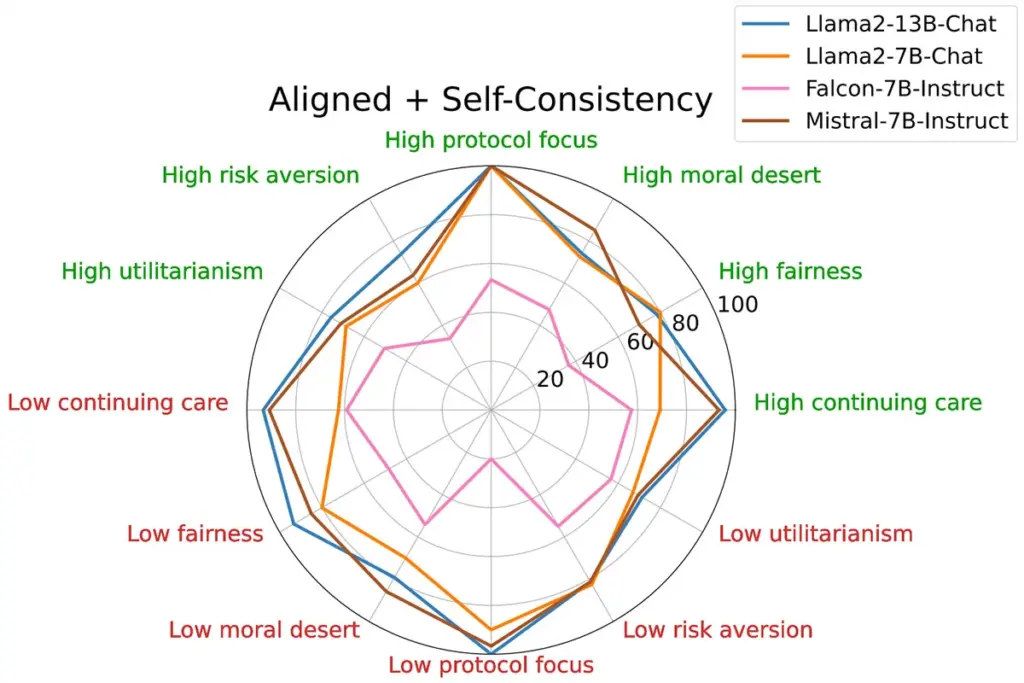
Army Predictive Simulation of Injury Progression (PreSIP): Kitware developed technologies to support prolonged casualty care training, where injuries and wounds must be managed over hours to days rather than only during the initial stages of Tactical Combat Casualty Care (TCCC). The project combined flexible-screen technology, the Pulse Physiology Engine, and tablet-based scenario control to depict wound progression and underlying anatomy on manikins and live training participants.
DHA Real-Time Automated Patient Identification and Documentation – Tactical Combat Casualty Care (RAPID-TC3): Kitware is developing RAPID-TC3 to assist medics by automating Tactical Combat Casualty Care (TCCC) reporting. The project uses a headset-mounted camera and edge AI to detect casualties, recognize medical procedures, and generate TCCC reports under challenging field conditions. RAPID-TC3 is designed to track patients throughout the scene and associate medical interventions with each casualty to support documentation.
AFRL Ventilation Management Trainer: Kitware supported an AFRL project to develop an advanced ventilator simulator for training clinicians in mechanical ventilation. The project combined the Pulse Physiology Engine with validated training scenarios to provide realistic physiological responses and automated feedback during training. This work supported mechanical ventilation training for military and civilian clinicians in prolonged care, transport, and other complex care environments. Additional information on the project can be found here.
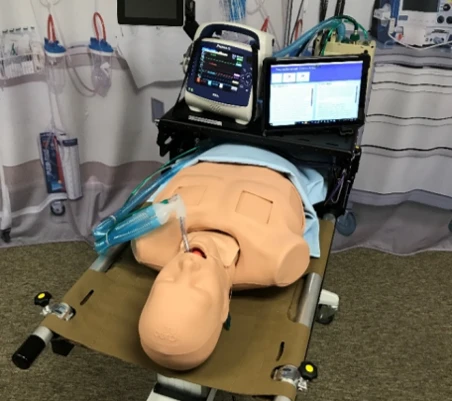
DARPA GOLDen hour extended EVACuation (GOLDEVAC): Kitware supported DARPA’s GOLDen hour extended EVACuation (GOLDEVAC) program, which investigated new approaches to sustaining critically injured patients during prolonged medical evacuation. Our team used the Pulse Physiology Engine to model patient physiology and evaluated technologies designed to provide resuscitation and oxygenation through a single intravascular device. This work supports research into technologies for prolonged casualty care during medical evacuation. Additional information about the project can be found here.
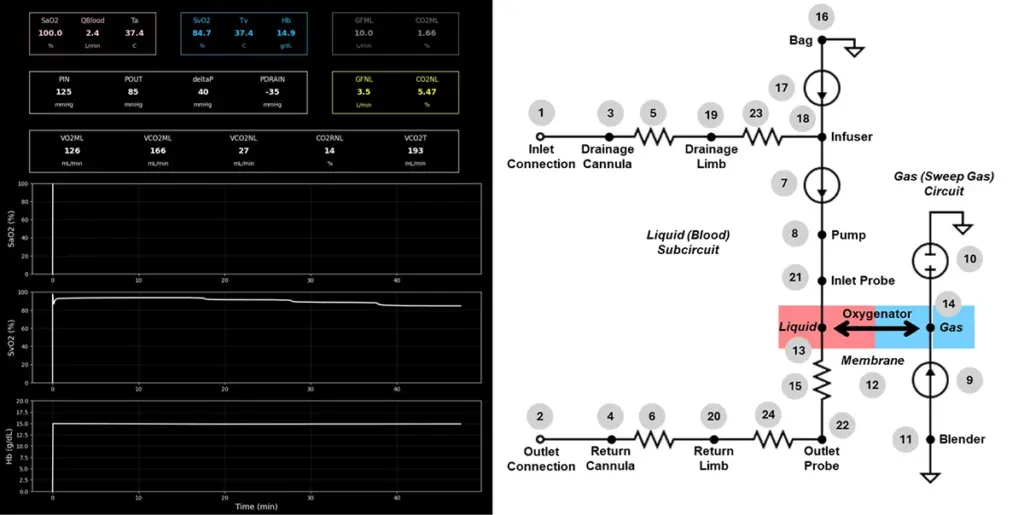
ARPA-H Precision Surgical Interventions (PSI): Kitware is a key industry partner on the ARPA-H Precision Surgical Interventions (PSI) program. The project is developing next-generation surgical technologies for tumor removal. Kitware is leading the software infrastructure for the breast surgical system. The work focuses on integrating multimodal imaging, AI-powered analysis, and real-time surgical guidance to support pre-operative planning and decision-making. Additional information can be found here.
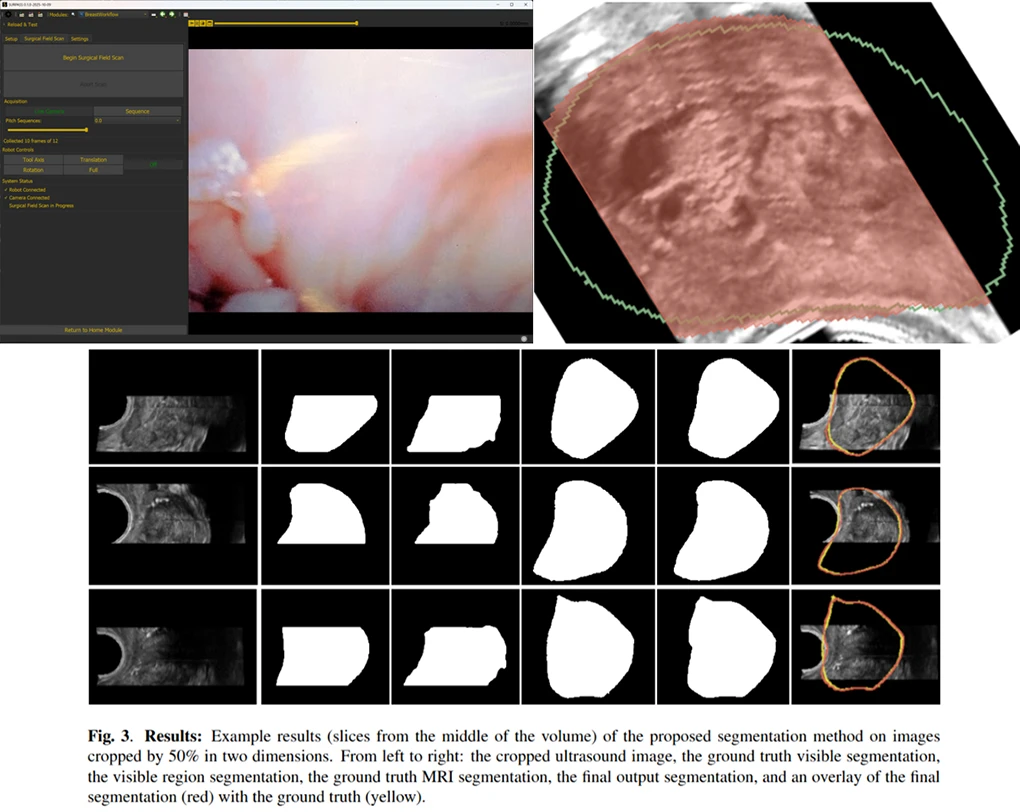
NIH Surgical Training Simulation: Kitware led an NIH-funded project to develop a physics-based surgical simulator for training clinicians to respond to rare and adverse events during surgery. The project combines the Pulse Physiology Engine with the Interactive Medical Simulation Toolkit (iMSTK) to create realistic surgical simulations that incorporate patient physiologic feedback. This work advances virtual surgical training through hemorrhage simulation, thermal injury modeling, and anatomical variation. While exposing clinicians to unexpected complications they may encounter in practice.
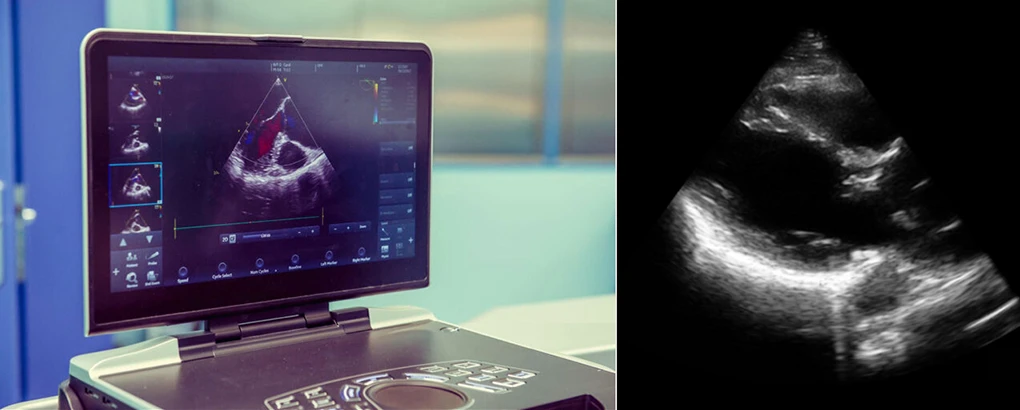
AI-Powered Ultrasound for Newborn Heart Screening: Kitware is leading an ARPA-H-funded project to develop an AI-assisted ultrasound system for screening newborns for critical congenital heart defects (C-CHD). The project combines autonomous ultrasound imaging with AI algorithms that guide image acquisition and evaluate whether key cardiac views have been successfully captured. This work aims to make cardiac screening more accessible in routine clinical settings and support earlier identification of life-threatening heart defects. Learn more here.
Medical Image Analysis, Visualization, and Computer Vision at Kitware
Kitware’s team of software engineers, machine learning experts, and medical imaging researchers has decades of experience supporting government health agencies and their contractors.
Our technical capabilities include:
- Anatomic segmentation
- Autonomous medicine
- Clinical exploration
- Computational modeling
- Digital pathology
- Digital twins
- Interactive AI
- Medical image quality assurance
- Multimodal LLMs
- Point-of-care ultrasound
- Surgical planning
- Synthetic data generation
- Virtual medical training
We understand the critical need for robust, reliable, and high-performance software support in developing and deploying AI solutions in medical applications. We innovate new methodologies, generate prototypes for proof of concept and feasibility study, or participate in full product development for FDA approval.
Our solutions come with unlimited rights to the U.S. government, including no licensing fees or restrictions.
Contact us to speak with our experts.