Introducing WebAssembly support in VTK
August 15, 2025
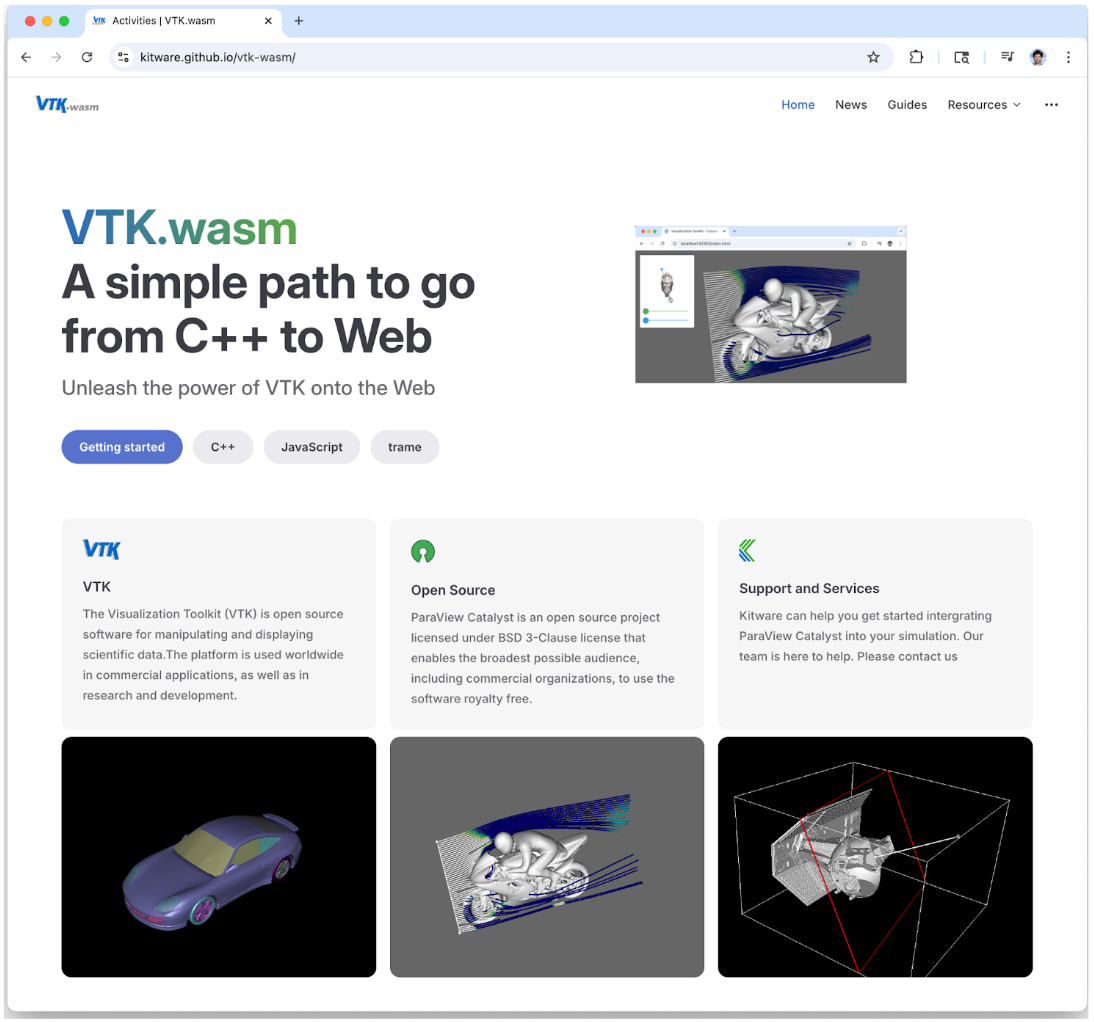
Introduction There is increasing demand for powerful, interactive data visualizations directly within web browsers. VTK.wasm is a technology that aims to provide this capability by delivering complex visualization applications without requiring traditional software installations. Not only are these applications portable, but they provide performance at near-native speeds. In this post, we describe some recent steps […]
CppCon 2025
August 15, 2025
CppCon is the premier annual C++ conference, uniting developers from around the world to learn, collaborate, and shape the future of C++. At Kitware, our connection to the C++ community runs deep—our co-founder and Chief Technical Officer, Bill Hoffman, is the original architect of CMake, which has become an essential build system for C++ projects across the globe.

ParaView 6.0 and VTK 9.5: Better Together
August 12, 2025
We are pleased to announce the official releases of ParaView 6.0 and the Visualization Toolkit (VTK) 9.5. This occasion marks a strategic evolution in our release methodology, as we are synchronizing the release schedules of ParaView and VTK for the first time. This alignment is designed to deliver significant advantages to our user and developer […]

How trame Powers Today’s Visualizations
August 4, 2025
Many scientific and engineering applications are still built as standalone desktop tools. While these solutions may have served teams well in the past, they often present modern-day challenges: they’re difficult to share, hard to maintain, and disconnected from today’s collaborative and distributed workflows.
ParaView 6.0.0 Release Notes
August 1, 2025
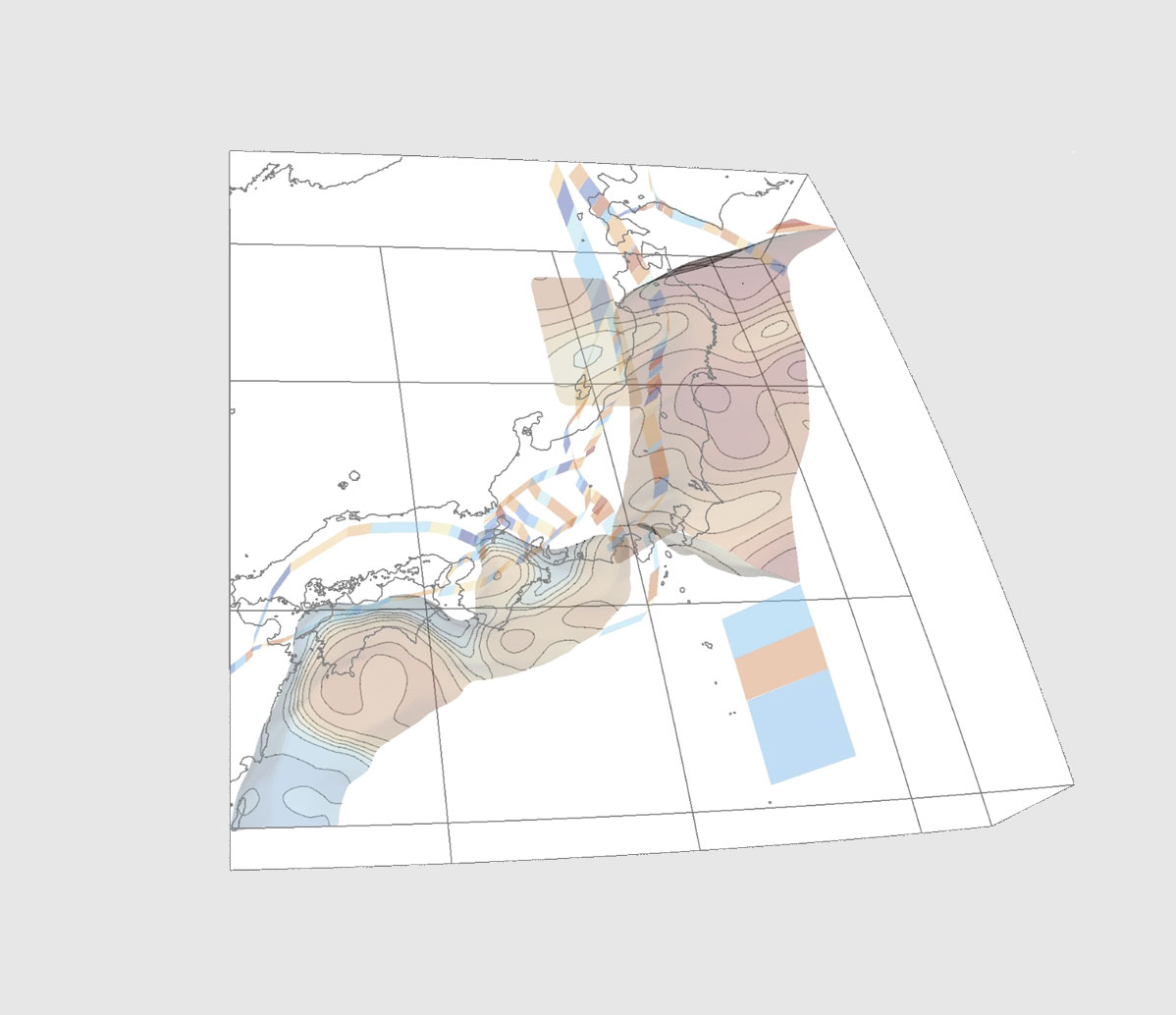
For a comprehensive list of new features in ParaView 6.0.0, please see the ParaView 6.0.0 release notes hosted on ParaView’s GitLab project page. A selection of notable new features is described on this page. A new default background and color map The default background has changed from “Blue Gray Background” to “Warm Gray Background”. The […]

We previously introduced VolView Insight, a powerful extension of the VolView medical visualization platform, that is designed to integrate imaging studies with real-world clinical data. Built for interoperability and flexibility, Volview Insight allows clinicians and researchers to view medical images, run multimodal AI pipelines, and access relevant patient records, all within a modern and intuitive web […]

CMake 4.1.0-rc4 is ready for testing
July 30, 2025
The fourth CMake 4.1 release candidate!

VTK-PyData Interoperability: Interactive Climate Analytics with Pan3D, Xarray, and xCDAT
July 29, 2025
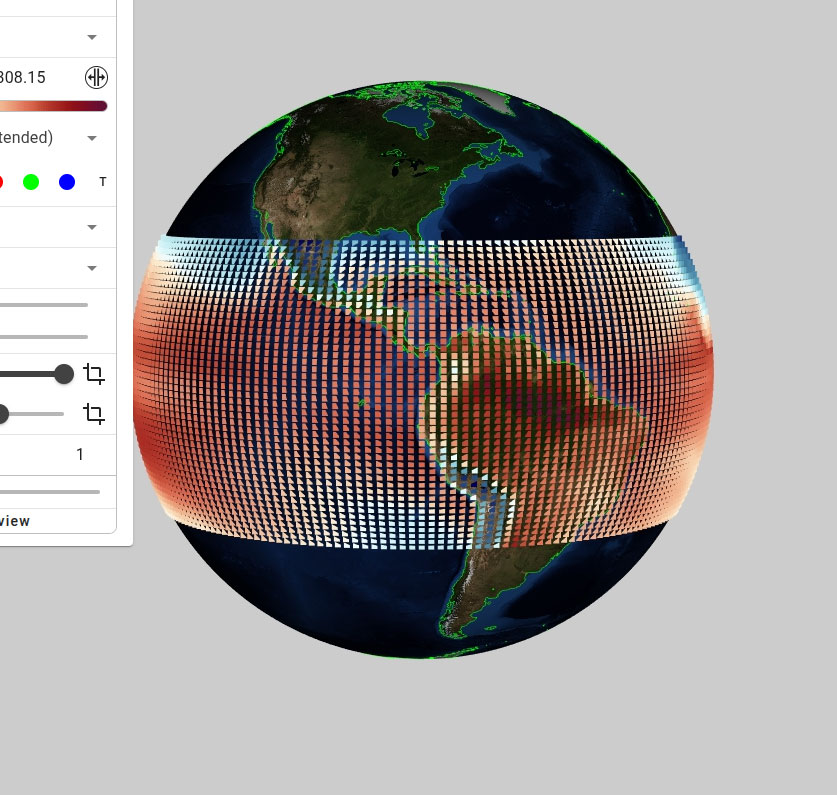
Geophysical researchers face a persistent challenge: their multi-dimensional datasets are growing exponentially in both size and complexity, yet the tools for exploring and analyzing this data haven’t kept pace.
Foundation Model Comparison with HistomicsTK
July 28, 2025
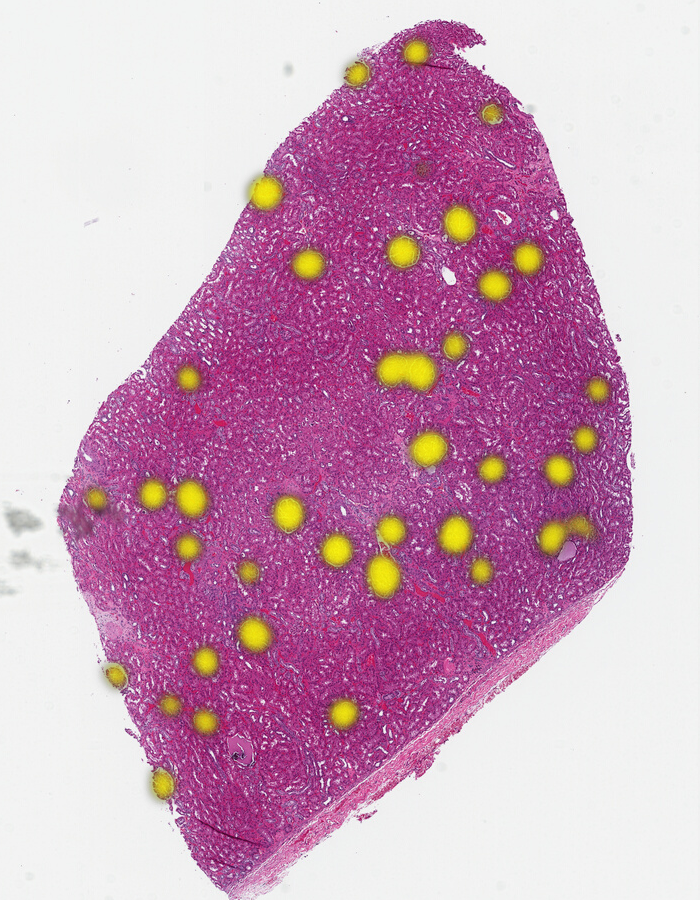
A Common Pathology Task In this post, we show how to use foundation models—powerful AI tools trained on vast image datasets—to find and compare structures like glomeruli in kidney tissue. We’ll demonstrate how to integrate these models into HistomicsTK and evaluate their effectiveness for real-world pathology use cases. HistomicsTK is Kitware’s open-source platform for analyzing […]
The (VTK) Innovation Goes On….
July 25, 2025
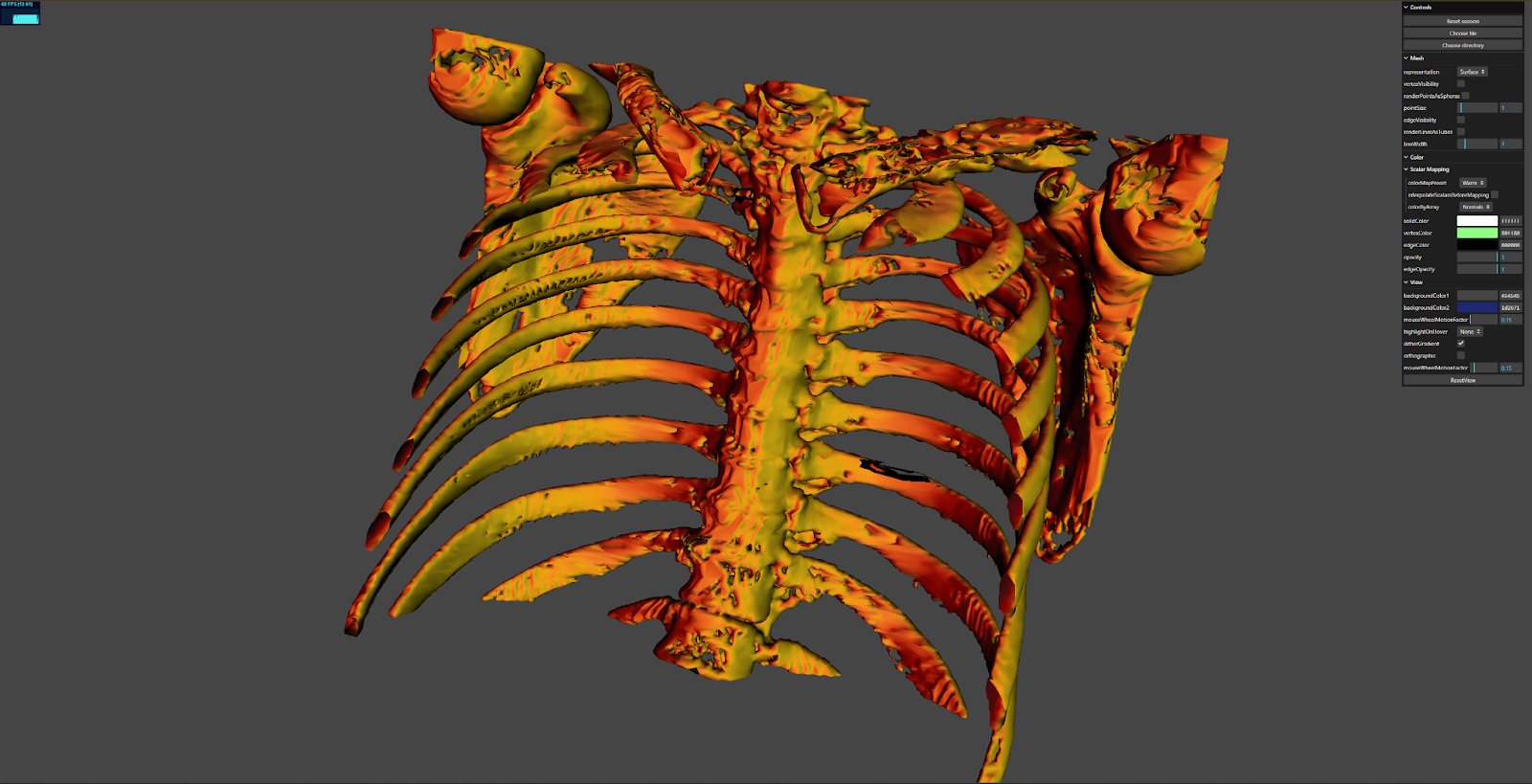
Recently, we celebrated VTK’s 30th anniversary [1]. As mentioned in that birthday blog post, the original developers felt that a 10-year run would be a smashing success. Astonishingly, not only are we early in the fourth decade of development, but the pace of development seems to be increasing, with users and developers from Kitware and […]
CMake 4.1.0-rc3 is ready for testing
July 24, 2025
The third CMake 4.1 release candidate!
We introduce VolView Insight, a software platform designed to unify imaging and clinical data into a single interface. For clinicians, it provides an integrated view of images, patient records, and AI-assisted workflows. For researchers and developers, it offers a realistic testbed for deploying multimodal models in a setting that mirrors clinical reality. Building on the […]

CMake 4.1.0-rc2 is ready for testing
July 16, 2025
The second CMake 4.1 release candidate!
M&M 2025
July 3, 2025
The Microscopy & Microanalysis (M&M) 2025 conference brings together leading experts in imaging, analysis, and instrumentation across the biological and physical sciences. As microscopy workflows grow more complex and data-intensive, the need for flexible, scalable, and intelligent software solutions has never been greater.
Announcing the Release of SMTK 25.06
July 3, 2025
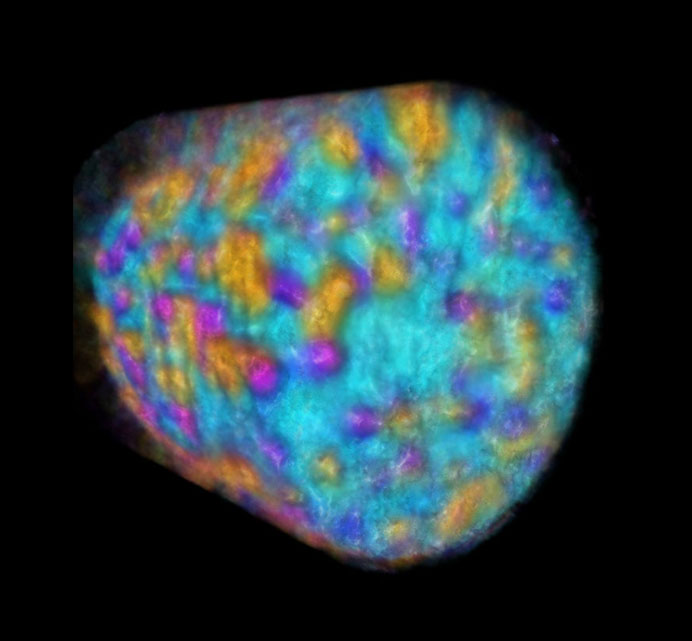
The 25.06 release of the Simulation Modeling Toolkit (SMTK) brings a wide range of improvements aimed at making simulation workflows easier to implement as well as being more intuitive and adaptable. A More Intuitive API The methods you use to get and set unit systems have been renamed to better reflect common engineering language—so now […]
Nerve block injections are one of the most technique-sensitive procedures in operational dentistry. Current learning paradigms involve practicing on classmates or mannequins, which is risky and/or expensive. Thanks to advances in simulation technology, it is now possible to learn through an immersive, realistic, and risk-free virtual environment. At the intersection of dentistry, education, and cutting-edge […]

CMake 4.1.0-rc1 is ready for testing
June 26, 2025
The first CMake 4.1 release candidate!