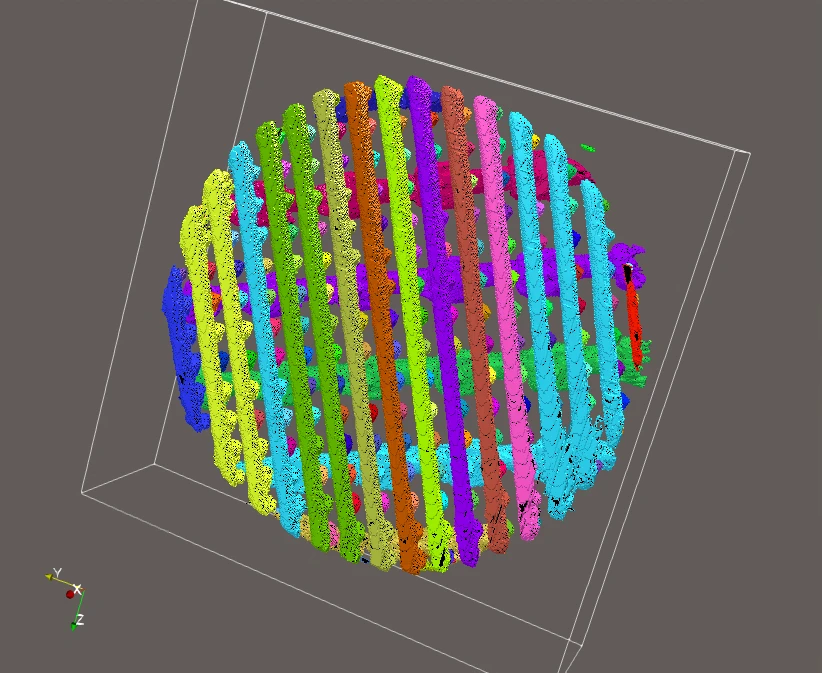
We are pleased to announce the release of Tomviz 3.1. Tomviz is a free, open source, cross-platform application for the reconstruction, visualization, and analysis of 3D tomographic data, developed openly on GitHub and distributed under the 3-clause BSD license.
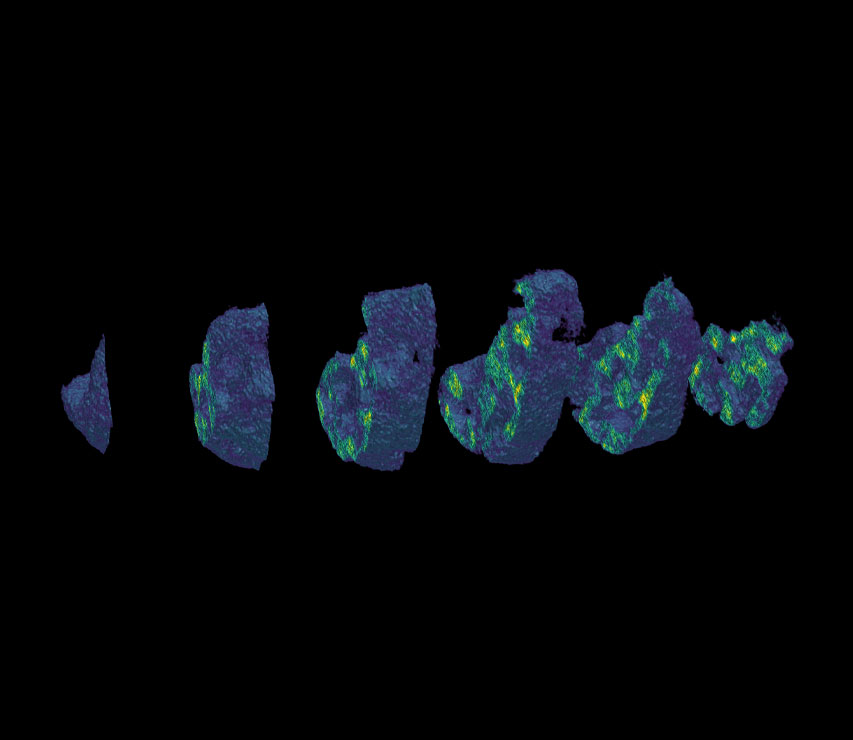
Why are my builds slow? Using CMake’s Instrumentation Feature
October 11, 2026
CMake 4.2 dropped the experimental gate on a major new feature: the CMake Instrumentation API. This enables detailed tracking of the entire CMake workflow, including configure time, build execution, testing, and installation, and provides developers and teams with actionable insights into build performance. Support for automated, user-written scripts to handle instrumentation data make it easy to track performance data over time across different machines and environments.
CMake: Making Hard Things Easy
October 8, 2026
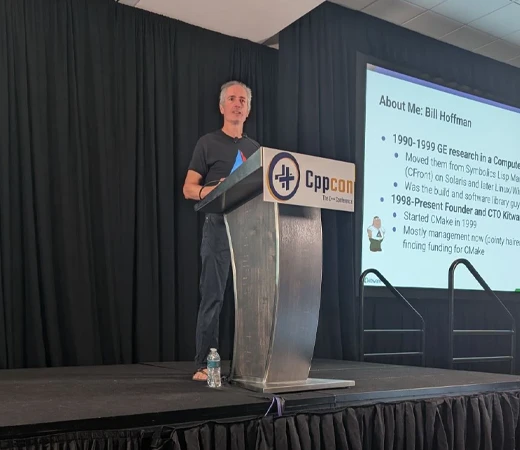
At CppCon 2026, I gave a talk called “CMake: Making Hard Things Easy” about how CMake handles build-system complexity so developers can focus on their software. This article shares practical takeaways from that talk. We started CMake for ITK 26 years ago. Researchers needed to use medical image segmentation and registration algorithms across different platforms without becoming experts in every compiler and linker. The idea was to capture that expertise in the build system so everyone could benefit from it. I wrote about those early days in Happy Birthday CMake!. Today, we take it for granted that we have build tools that can create static or shared libraries and link applications to them on Linux, Windows, or macOS.
VTK Arrays in Python, Reprise
October 6, 2026
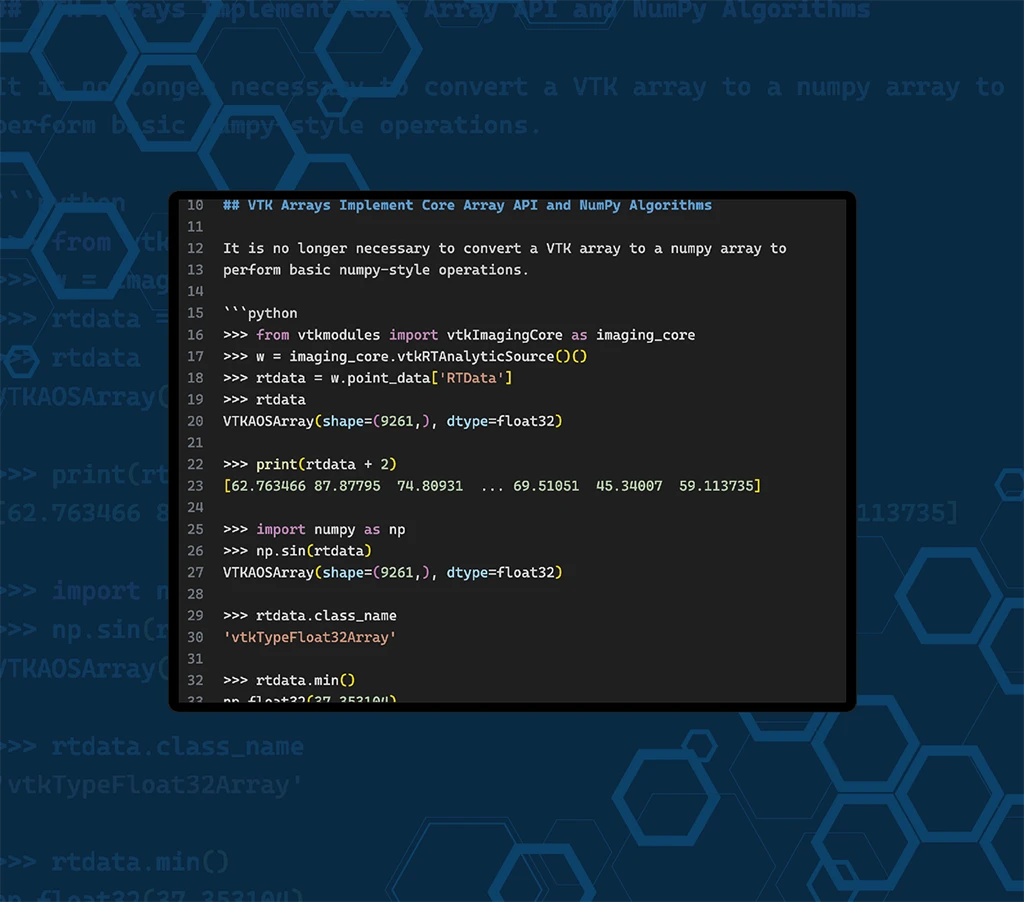
PS: The examples in the blog requires VTK master, VTK nightly or VTK > 9.7. I keep coming back to this. Maybe because there is so much to uncover. We recently finished the third major rewrite of how VTK arrays can be processed in Python. I think that we got it right this time. I […]
ParaView 6.2.0 Release Notes
October 1, 2026
ParaView 6.2.0 has been released! Notable additions to ParaView in this version highlighted in this post. For a comprehensive list of new features in ParaView 6.2.0, please see the ParaView 6.2.0 release notes hosted on ParaView’s GitLab project page. Performance optimizations for static meshes over time ParaView has been sped up significantly in some filters […]

GeoGate: Generic Co-processing for Coupled Earth System Models with ParaView Catalyst
September 22, 2026
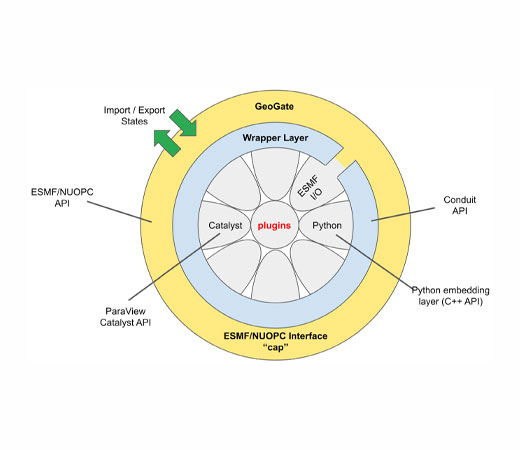
This is a guest blog post from Ufuk Utku Turuncoglu from the NSF National Center for Atmospheric Research (NCAR). He shares his work on GeoGate, an open source component that brings ParaView Catalyst to Earth system models coupled through ESMF/NUOPC. Thanks to his approach of placing in situ analysis in the coupling layer that all […]
What’s New in ParaView 6.2
September 21, 2026
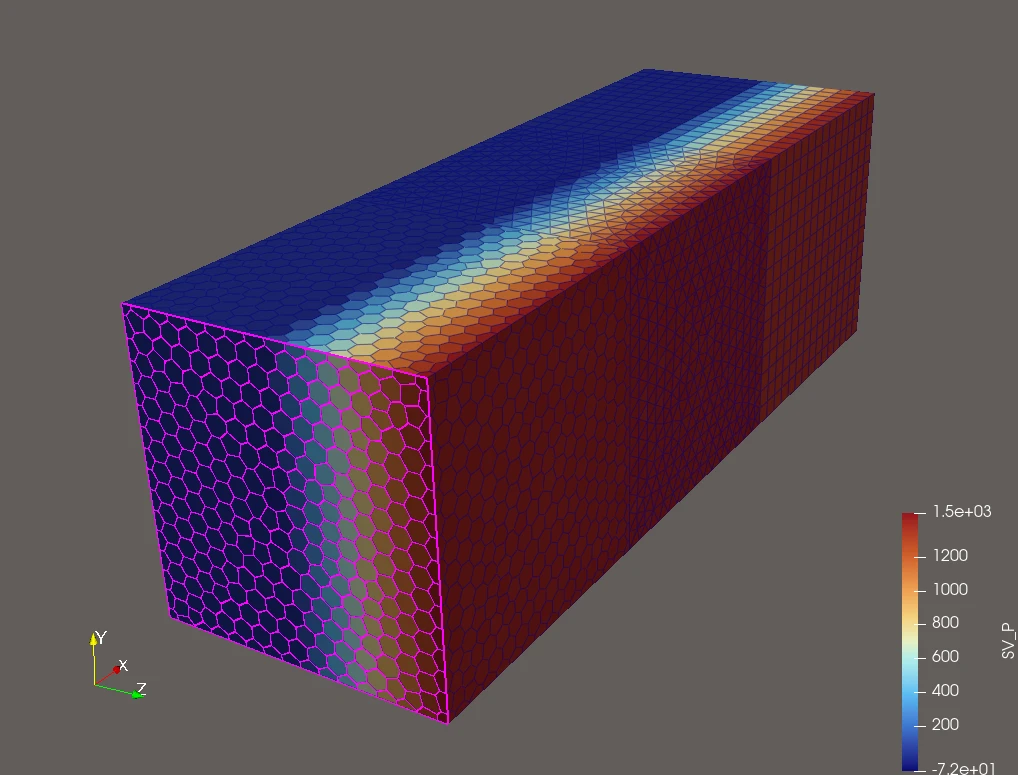
ParaView 6.2 introduces faster processing for polyhedral cells, new options for exporting time-varying data, expanded support for canceling operations, and new options for stereo rendering in CAVE environments. The release also includes updates across ParaView’s filters, readers and writers, ParaView’s interface, plugins, Python scripting, virtual reality, and Catalyst. For a complete listing of new features […]
What’s New in VTK-wasm
September 17, 2026
Scientific and engineering visualization workflows have increasingly moved to the web. Developers are building applications with frameworks such as trame, Jupyter, and Panel that allow users to explore data directly in the browser while computationally intensive processing remains on the server. As these workflows continue to evolve, developers need efficient ways to deliver responsive 3D […]
Trame v4: Your React Investment, Now Driven by Python
September 10, 2026
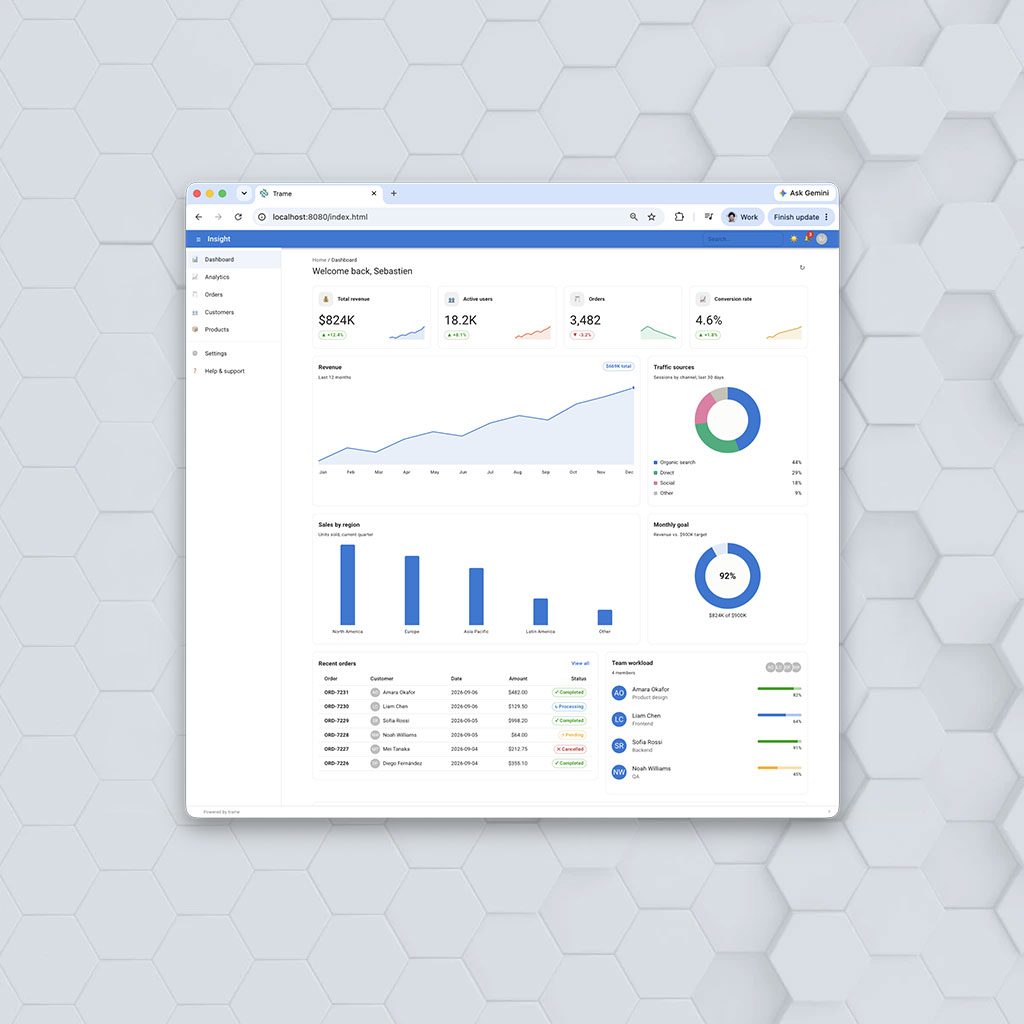
Trame V4 is out and it brings support to a React core.
CMake 4.4.3 available for download
September 2, 2026
CMake 4.4.3 available for download

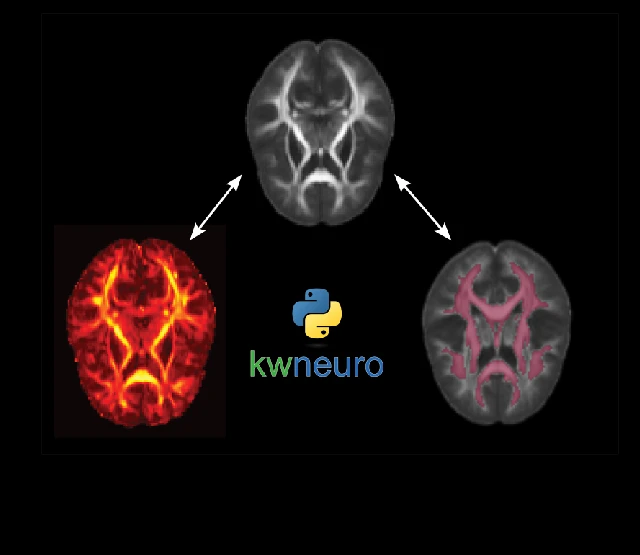
Structural and diffusion MRI analysis often requires researchers to work across several specialized software packages. Each can have its own formats, conventions, APIs, and system-level dependencies. Building and maintaining these environments can become especially challenging when analysis needs to move between local workstations, institutional HPC clusters, and cloud environments. kwneuro has expanded to support a […]
Interactive 3D visualization slides with trame and Reveal.JS
August 25, 2026
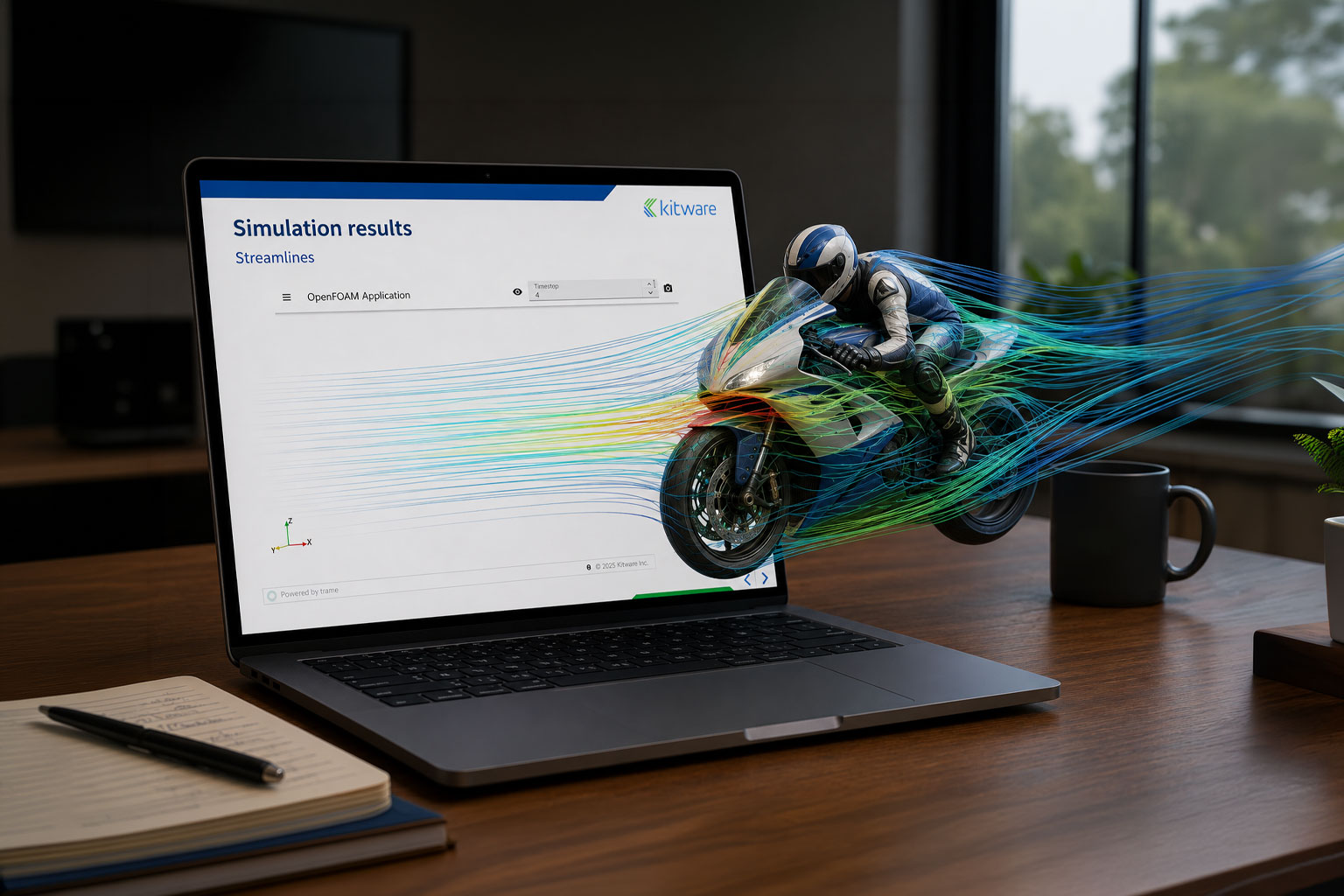
It can be difficult to show visualization results during slide presentations, leading to a choice between videos or images, lacking in interactivity and detail, or pausing the presentation and switching to a running application, breaking the flow of the presentation. With trame and Reveal.js, you no longer have to choose between suboptimal choices. You can […]
25 Years of Innovation, 25 Years of Impact
August 20, 2026
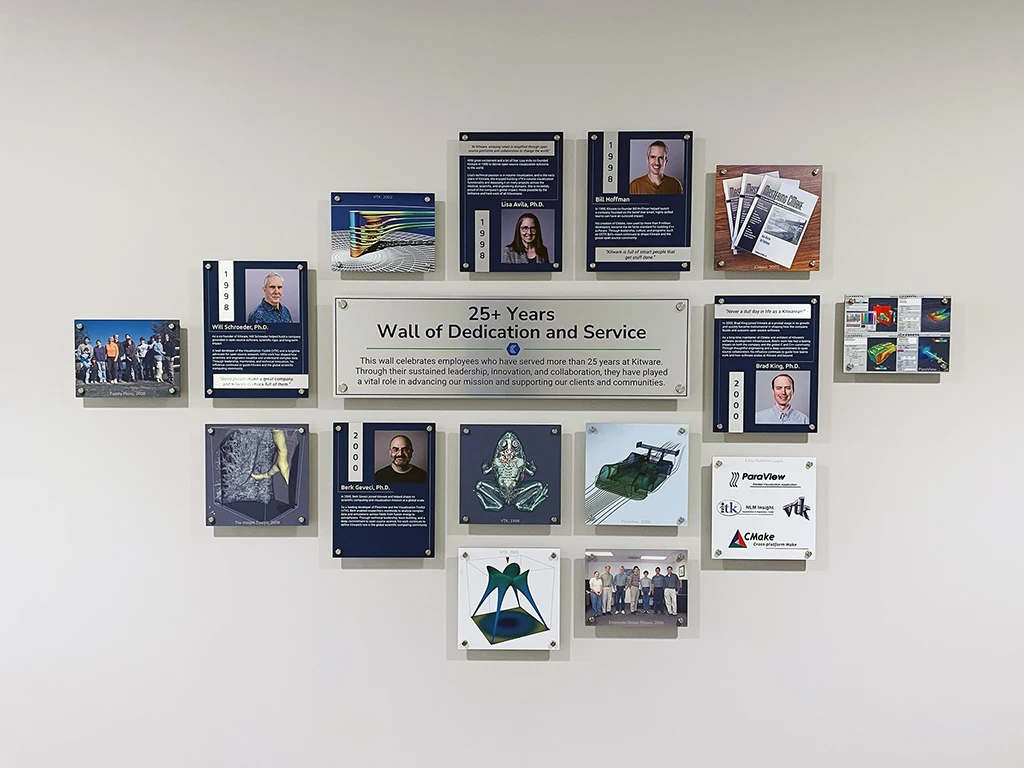
Kitware is proud to recognize team members celebrating 5-, 10-, 15-, 20-, and 25-year milestones. As part of this year’s celebration, we unveiled a new recognition wall at our corporate headquarters honoring employees who have reached 25 years of service—the first individuals in Kitware’s history to achieve this milestone. While this installation commemorates a historic […]
CppCon 2026
August 20, 2026
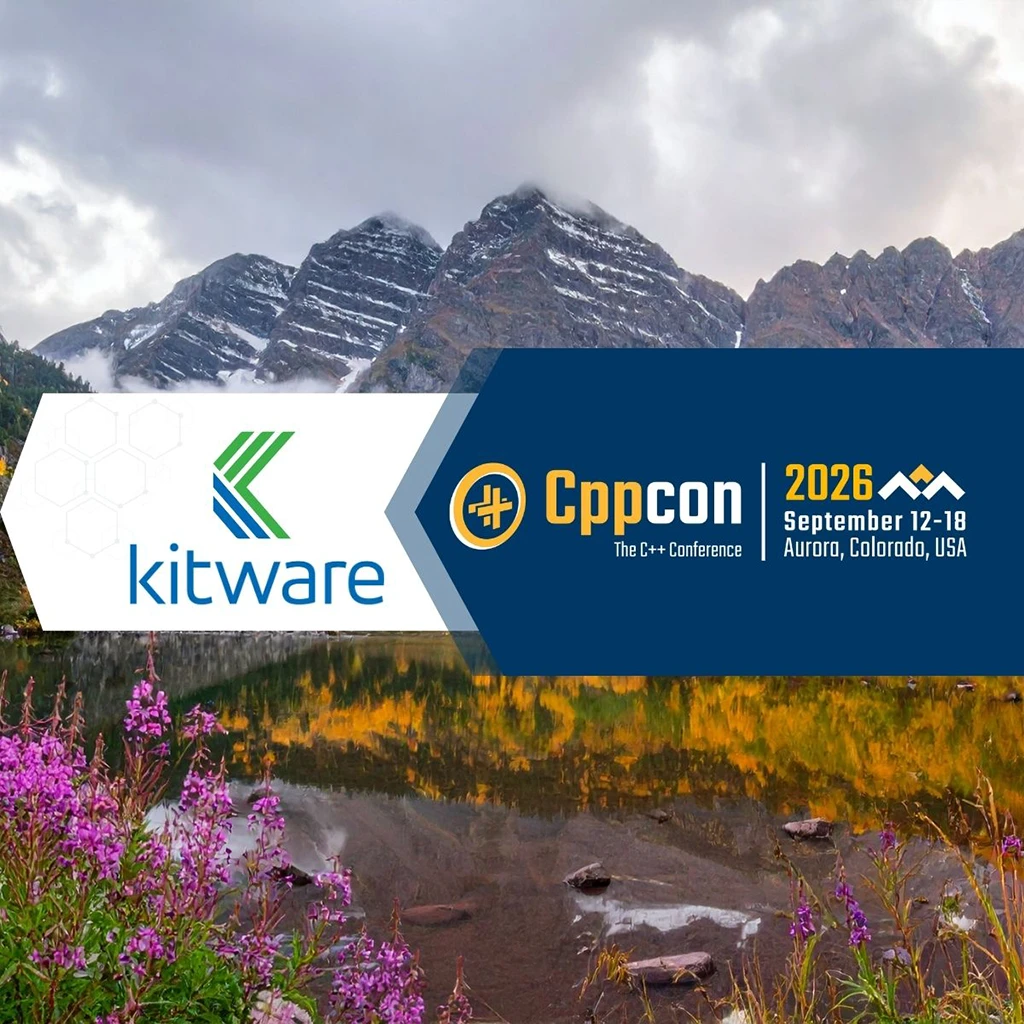
September 12–18, 2026 | Aurora, Colorado CppCon brings together the developers, architects, and tool builders shaping the future of C++. Kitware is proud to return as an exhibitor. Stop by our booth to meet the team behind CMake and learn how we’re helping organizations modernize build systems, improve software infrastructure, and develop custom open source […]
Supporting the Next Generation of Women in STEM
August 20, 2026
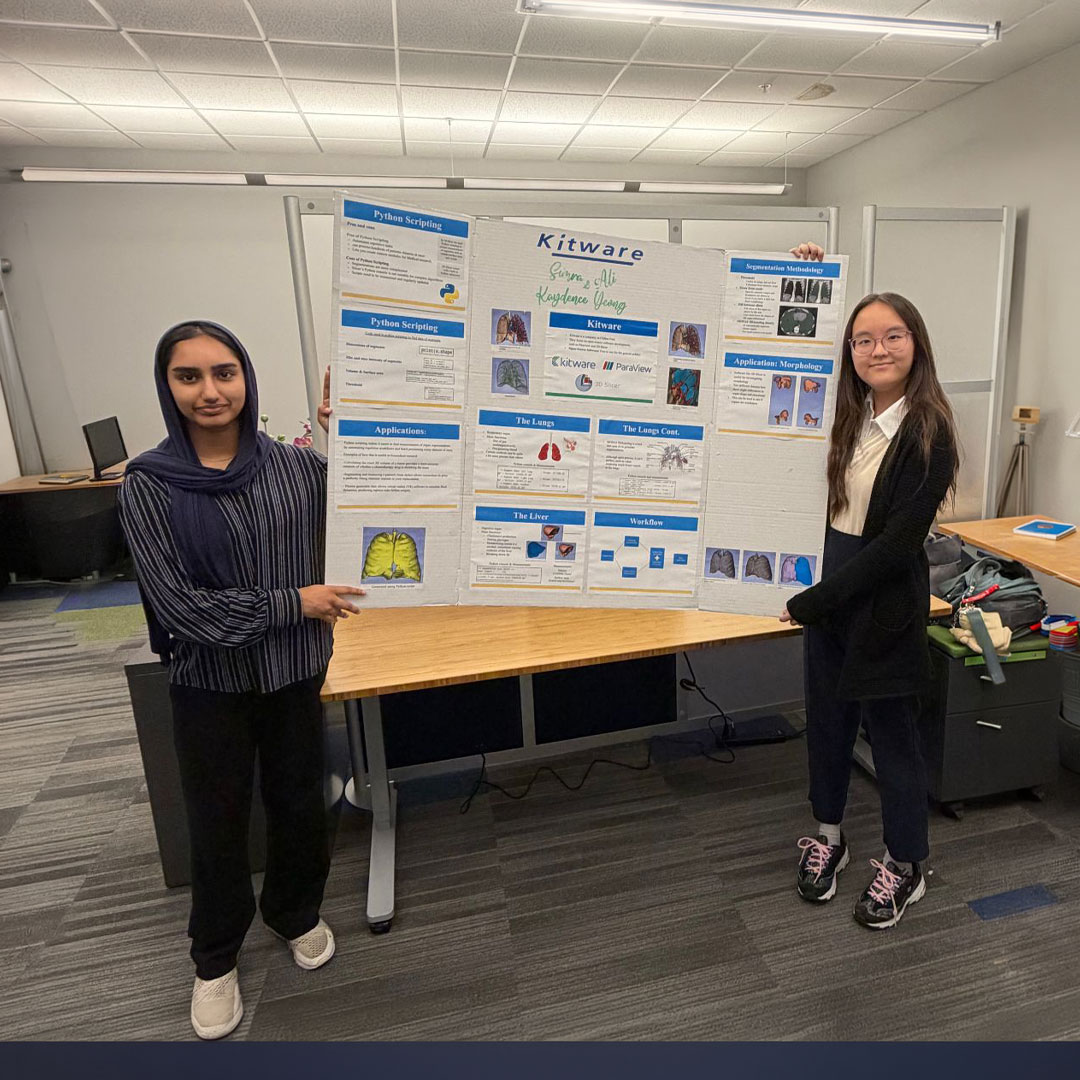
Kitware is proud to support Girls Inc. of the Greater Capital Region and their mission to introduce young women to careers in STEM. This summer, Girls Inc. participants Kaydence Yeong and Simra Ali joined our team, gaining hands-on experience with open source software, medical image analysis, and artificial intelligence while working alongside experienced engineers. Learning […]
VTK 9.7.0
August 17, 2026
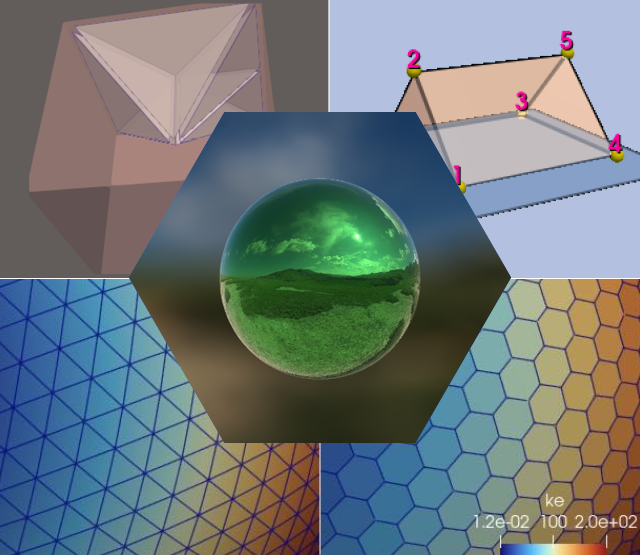
The VTK release team is pleased to announce the release of VTK 9.7.0. This release brings improvements to rendering architecture, AMR processing, implicit arrays with NumPy integration, and interaction styles. Highlights Platform-Independent Graphics Architecture VTK 9.7 introduces an updated graphics architecture that separates rendering from windowing through the new vtkHardwareWindow abstraction layer. VTK 9.7.0 also […]
ITK 5.4.7 Released
August 11, 2026
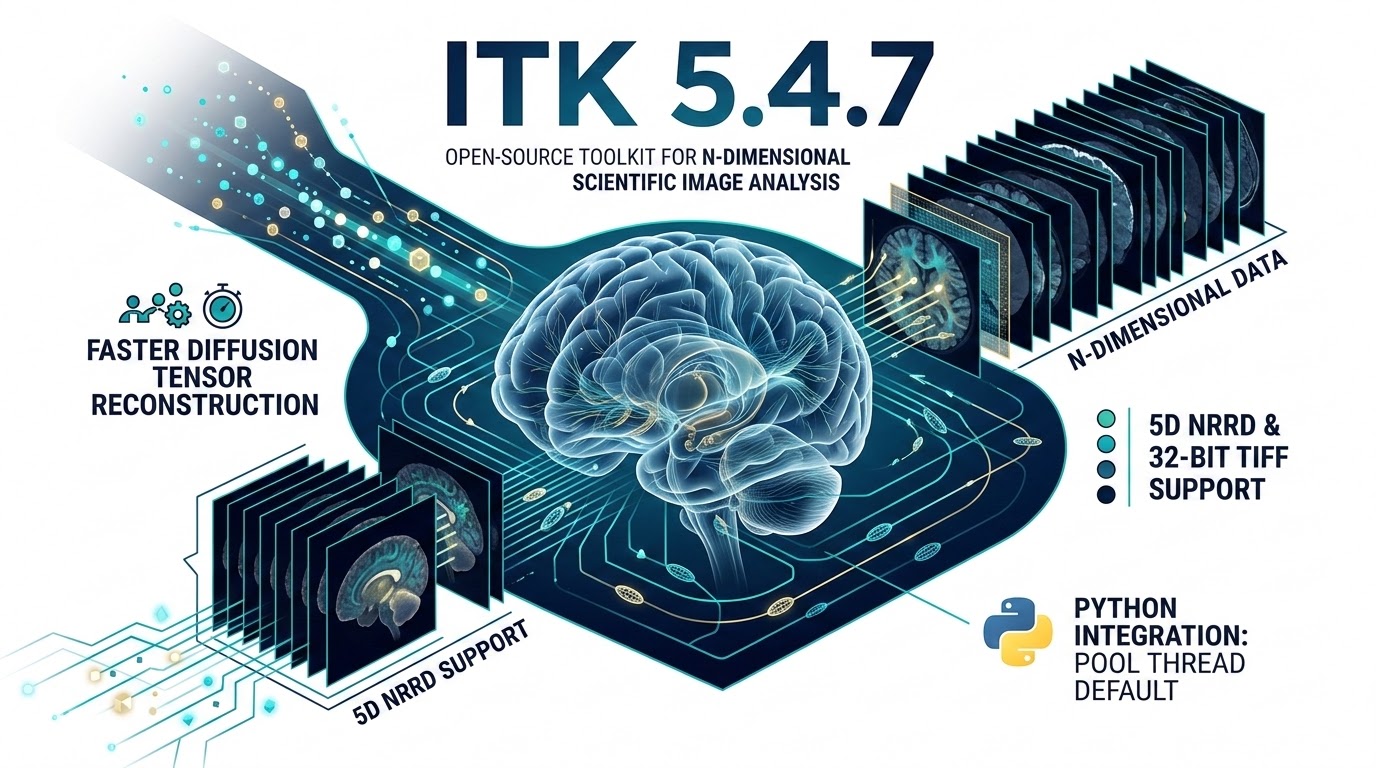
ITK 5.4.7 is a maintenance release focused on image IO capabilities, computational performance, build reliability, and packaging resilience.
We are pleased to announce the release of Tomviz 3.0, the biggest release in the history of the project. Tomviz is a free, open source, cross-platform application for the reconstruction, visualization, and analysis of 3D tomographic data, developed openly on GitHub and distributed under the 3-clause BSD license. Tomviz 3.0 is the culmination of more […]