ITK 5.3 Release Candidate 4 available for testing
August 23, 2022
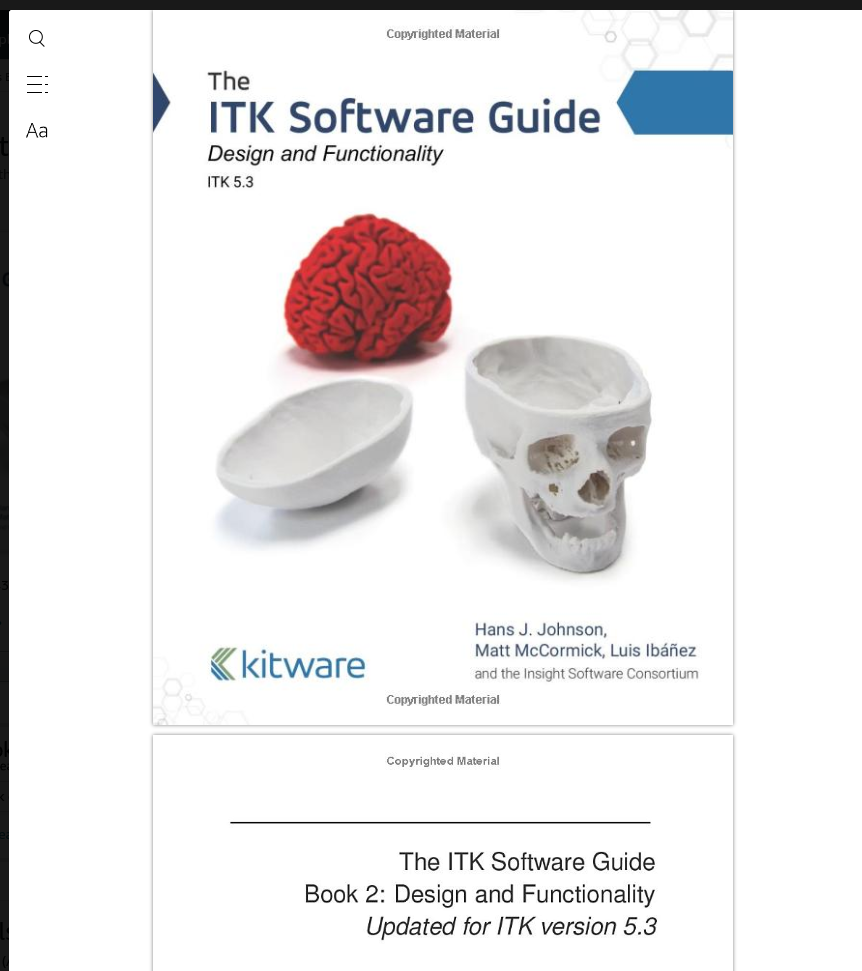
We are happy to announce the Insight Toolkit (ITK) 5.3 Release Candidate 4 is available for testing! :tada: ITK is an open-source, cross-platform toolkit for N-dimensional scientific image processing, segmentation, and registration. ITK 5.3 is a feature release that accelerates performance, provides new segmentation and shape analysis algorithms, improves documentation, adds distributed computing support, among […]
Kitware Announces Latest Release of 3D Slicer 5.0
July 28, 2022
Popular open source medical imaging software gets major improvements, including AI-powered medical image analysis Clifton Park, N.Y. (July 28, 2022) – Kitware, a leader in developing innovative medical visualization tools, is pleased to announce the release of 3D Slicer 5.0. 3D Slicer is an open source software package used for medical, biomedical, and related imaging […]
VTK HDF Reader
July 19, 2022
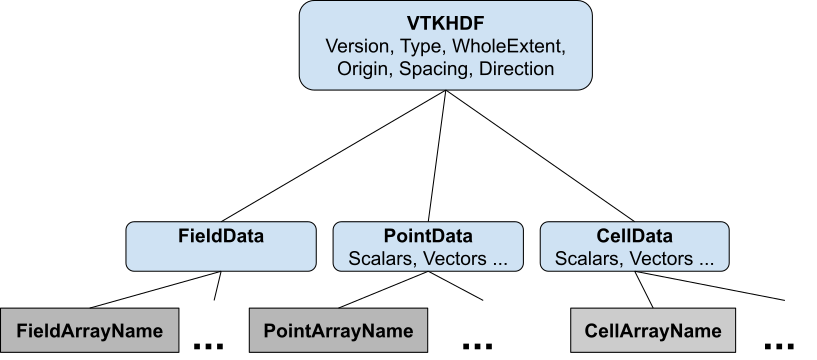
Motivation HDF is a widely used data format which consists of n-dimensional named arrays (datasets) organized in a directory structure (groups). Storing VTK data in HDF is complicated because HDF does not have a standard way to attach meaning to its arrays – so a reader does not know which array represents points, cells, and other attributes. Traditionally, […]
CMake 3.24.0-rc3 is ready for testing
July 7, 2022
The third CMake 3.24 release candidate!

Chances are that you already followed one of our many courses at Kitware’s facilities in France. VTK and ParaView User courses, very popular ones, occur every 6 months and are also available on demand. See our catalog on https://www.kitware.eu/training/ for future sessions. During covid, we had to transition to online courses and to reduce the […]
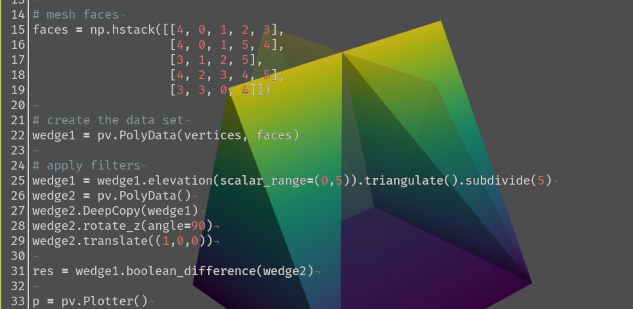
Specifications may not be the most glamorous aspect of software, but they are essential. Just now, your web browser used the HTTP protocol specification to fetch this blog post written following the HTML specification using letters specified by the Unicode standard. These specifications allow you to view this blog post using Google Chrome, Mozilla Firefox, […]
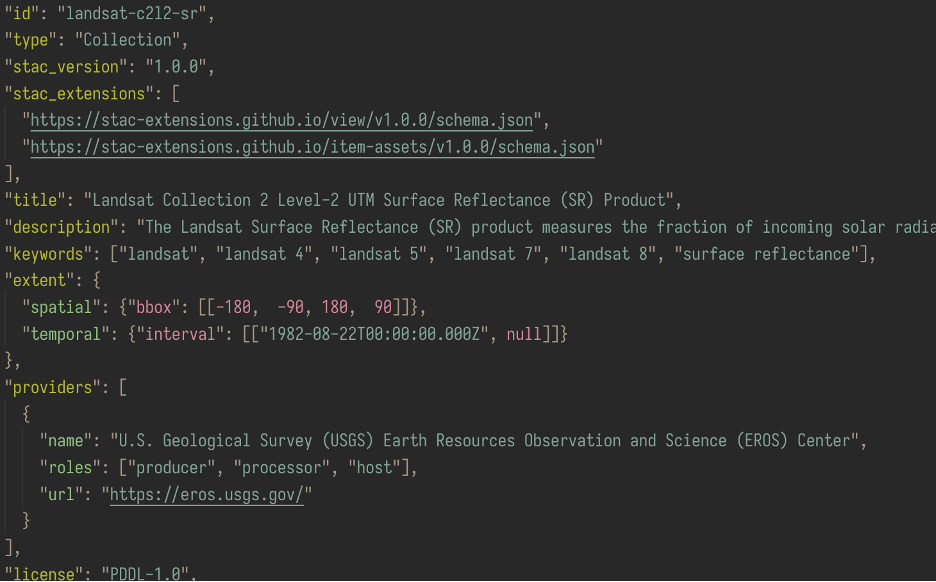
CI: Continuous IntegrationMR: Merge RequestPR: Pull Request In the VTK/ParaView ecosystem, there are a number of projects that rely on VTK and ParaView as dependency and are not part of VTK/ParaView per se, eg Flow3D, Salome, Themys, F3D, PVGeo, vtk-dicom, pyvista, vedo, meshio, slicer, CTK, cmb, ttk. It has always been complex for these kind […]

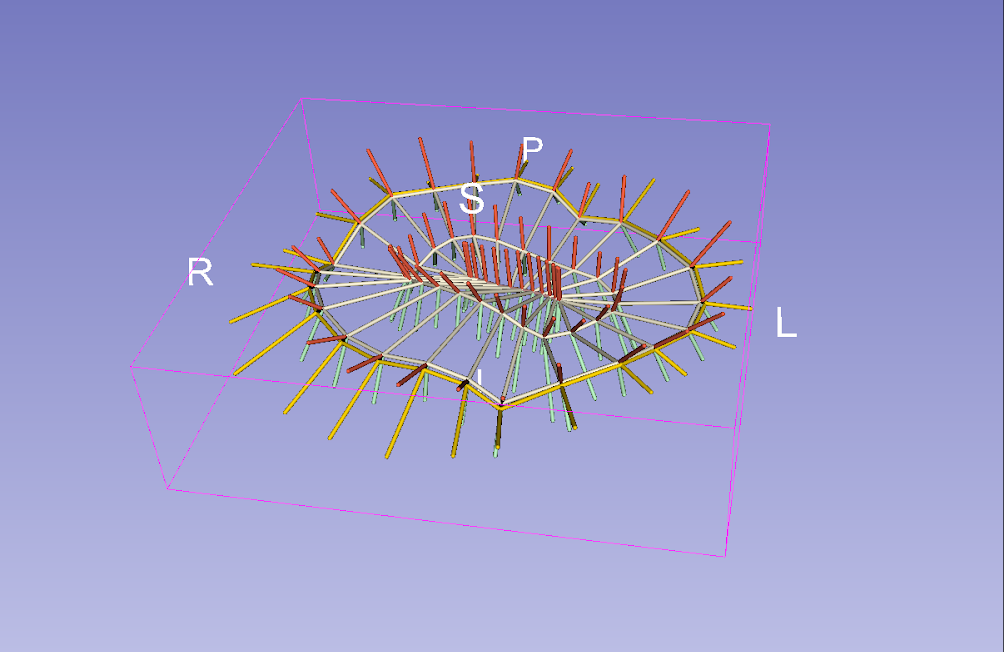
Kitware is excited to announce major updates to the SlicerSkeletalRepresentation extension, which revamps using, displaying, and storing skeletal representations (s-reps). These updates were developed as part of SlicerSALT for easier use and reuse of skeletal representations. What is an s-rep? S-reps are skeletal models that have been used for representing the shape of a wide […]
CMake 3.23.2 available for download
May 25, 2022
CMake 3.23.2 is available for download

We are happy to announce the Insight Toolkit (ITK) 5.3 Release Candidate 3 is available for testing! ITK is an open-source, cross-platform toolkit for N-dimensional scientific image processing, segmentation, and registration. ITK 5.3 is a feature release that accelerates performance, provides new segmentation and shape analysis algorithms, improves documentation, among many more improvements. For more […]
Kitware produces software that uses AI and machine learning (AI/ML) technologies to advance the field of digital pathology in collaboration with academic researchers and clinicians. At the center of this effort is the Digital Slide Archive (DSA), an open-source platform, for centralized data management, sharing, annotating, and analyzing whole-slide imaging datasets, which continues to be […]
Announcing the Release of SMTK 22.04
May 2, 2022
We are pleased to announce the release of SMTK. 22.04. Its major improvements include: New Resource Properties We have extended the default property types for SMTK Resources to include sets of integers and coordinate frame information. The coordinate frame property includes an origin point and 3 orthonormal vectors specifying a change of basis. In addition, […]
ITK Examples Hackathon 2022
April 20, 2022
The Insight Toolkit (ITK) is an open-source, cross-platform toolkit for N-dimensional scientific image processing, segmentation, and registration. Documentation for the toolkit ranges from the ITK Software Guide textbook, to Doxygen API reference material, to C++ and Python examples. The ITK Examples hackathon aims to bring together ITK developers and new users to expand documentation and […]
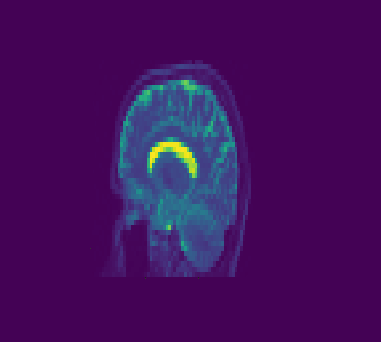
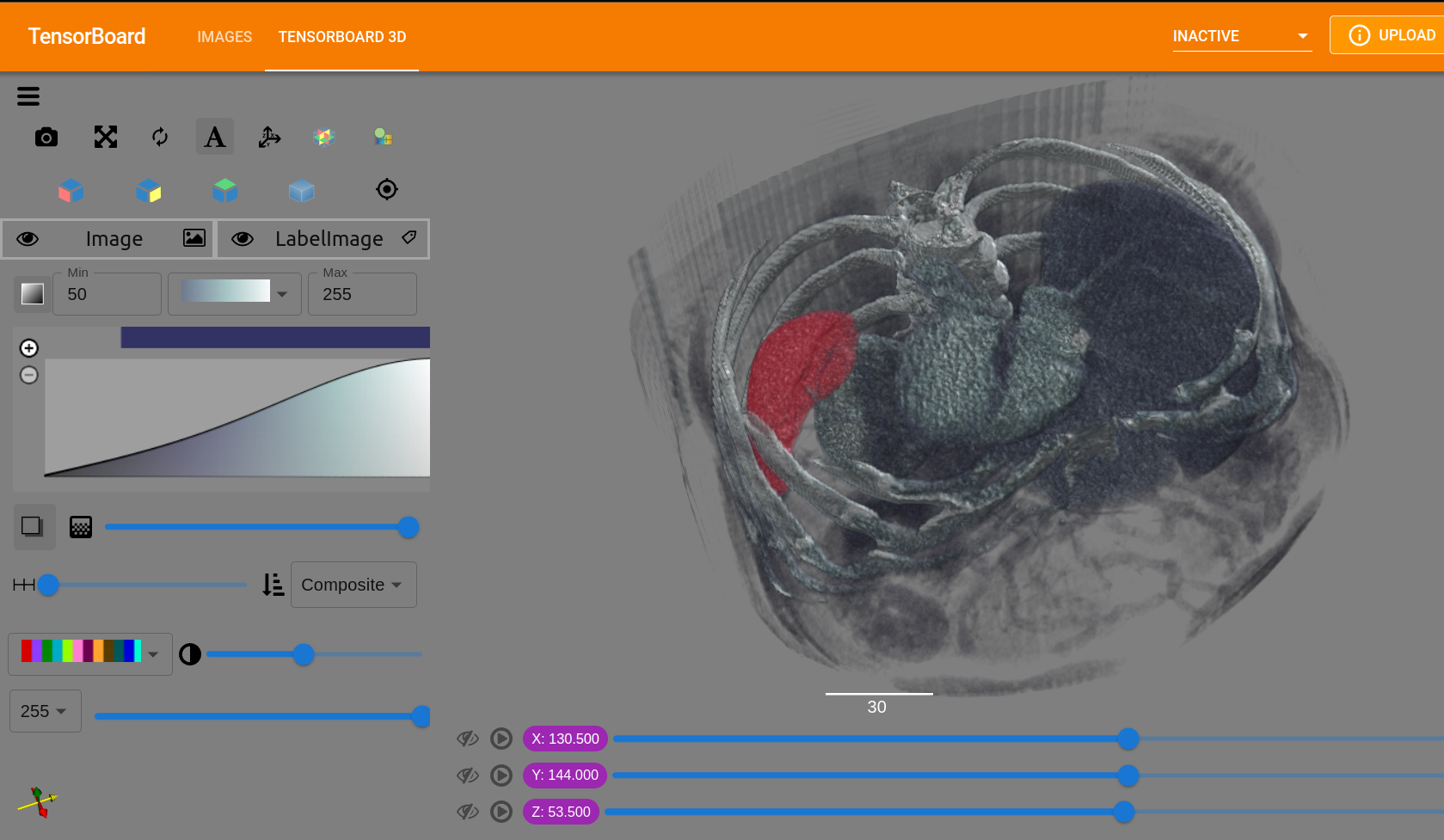
The open source TensorBoard-Plugin3D allows medical image deep learning researchers to analyze their deep learning workflows and 3D data all in one tool.
CMake 3.22.4 available for download
April 12, 2022
CMake 3.22.4 is available for download
CMake 3.23.0-rc4 is ready for testing
March 18, 2022
The fourth CMake 3.23 release candidate!
ParaView 5.10.1 Release Notes
March 15, 2022
ParaView 5.10.1 is a patch release with a variety of bug fixes. The full list of issues addressed by this release is available here. User interface State files appear as datasets. (details) File dialog issues in client/server mode (details) Stride in Animation View is too restricted(details) Context menu in file dialog doesn’t work on macOS […]

Adding the Topology ToolKit (TTK) to ParaView
March 3, 2022
Topological Data Analysis is coming to ParaView! The Topology ToolKit (TTK) is now available in the ParaView nightly and in the latest release (v5.10), as well as in the ParaView Superbuild. TTK is a collection of filters specific to Topological Data Analysis (Contour tree, Morse-Smale Complex, Topological Simplification, …). You can load this plugin using […]