25 Years of Innovation, 25 Years of Impact
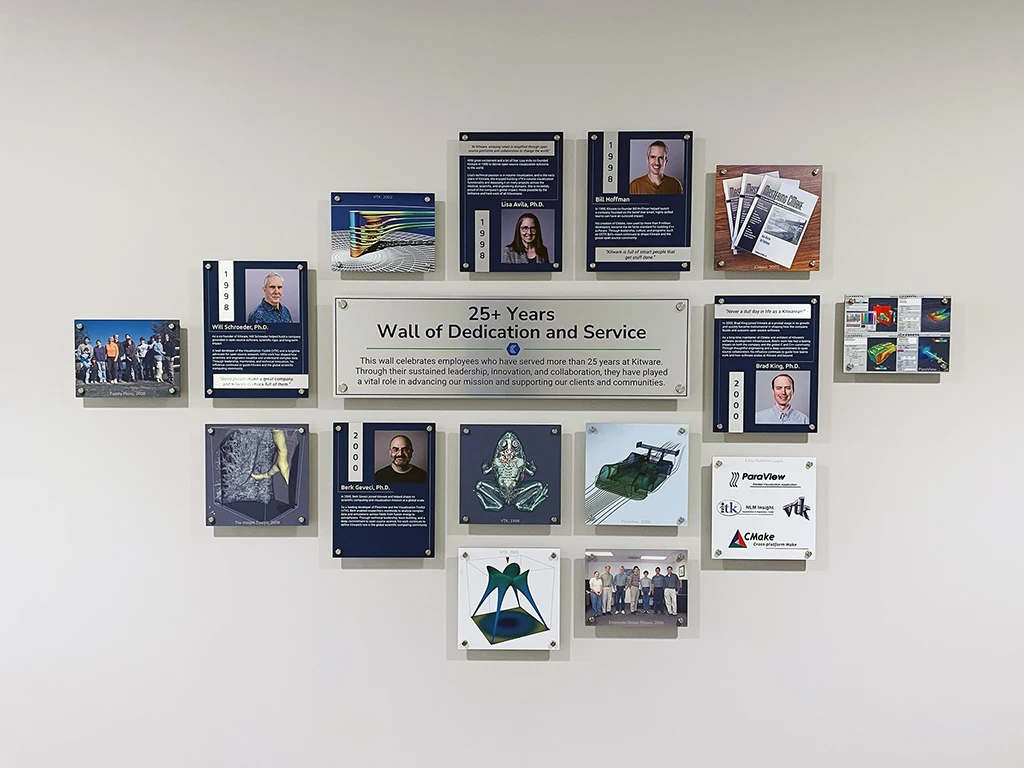
Kitware is proud to recognize team members celebrating 5-, 10-, 15-, 20-, and 25-year milestones. As part of this year’s celebration, we unveiled a new recognition wall at our corporate headquarters honoring employees who have reached 25 years of service—the first individuals in Kitware’s history to achieve this milestone. While this installation commemorates a historic achievement, it also reflects our appreciation for every employee at Kitware.
Together, these anniversaries represent the dedication, collaboration, and commitment to making a positive impact that define Kitware. Each of these individuals has helped shape the company through their expertise, mentorship, and shared commitment to advancing open source software.
Celebrating 25 Years

In 1998, Lisa Avila co-founded Kitware and has been a driving force behind the company’s technical excellence and organizational growth ever since. Serving as Vice President of Commercial Operations until 2017, she helped build and scale Kitware’s commercial services, training programs, publications, and communications while supporting the growth of its open source communities. In 2017, Lisa became Chief Executive Officer, leading the company through continued expansion and guiding its transition to 100% employee ownership in 2020. She takes great pride in Kitware’s global impact, made possible by the talent, dedication, and collaborative spirit of Kitwareans worldwide.
Lisa’s technical passion is volume visualization, and she is widely recognized as the principal architect of VTK’s volume visualization functionality. With more than fifteen years of contributions to VTK, she advanced state-of-the-art volume rendering techniques applied across medical, scientific, and engineering domains, from seismic data exploration to radiation treatment planning. Lisa’s leadership continues to shape Kitware’s strategic direction and reinforce its mission to develop and sustain high-impact open source software.
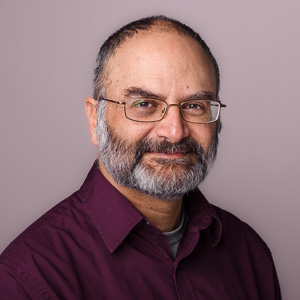
In 2000, Berk Geveci joined Kitware and became a central figure in advancing the company’s scientific computing and visualization mission. Over the next 25 years, his work helped establish Kitware as a global leader in large-scale scientific visualization and high-performance computing. One of Berk’s most impactful contributions is his leadership in developing ParaView and the Visualization Toolkit (VTK), foundational open source platforms used worldwide to explore and analyze complex scientific data. These tools have transformed how researchers understand simulations and experiments across fields ranging from fusion energy to astrophysics, extending Kitware’s impact far beyond its walls.
Beyond his technical achievements, Berk has played a pivotal role in building and leading teams, fostering a collaborative culture, and guiding Kitware’s scientific direction. As Senior Director of Scientific Computing and a member of the Board of Directors, he has helped grow and mentor generations of scientists and engineers while strengthening Kitware’s partnerships with national laboratories, universities, and international research programs. Reflecting on 25 years at Kitware, Berk points to the strength of the teams and the shared mission that have defined his work and continue to guide the scientific and data analytics groups he helped establish.
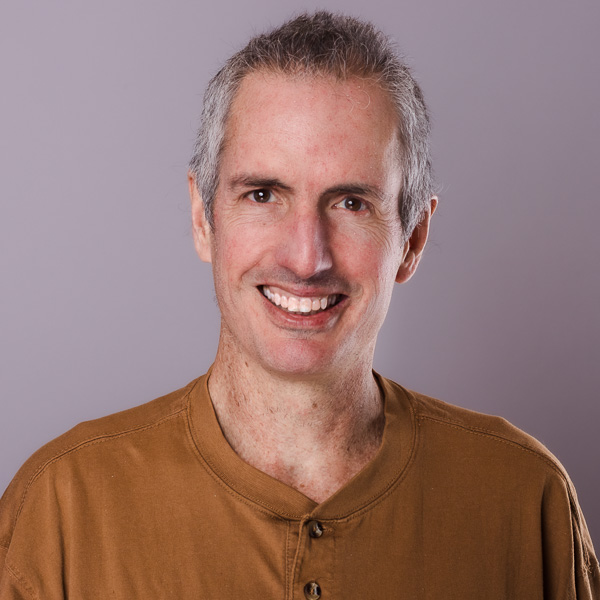
In 1998, Kitware co-founder Bill Hoffman helped launch a company built on a bold idea: that small, highly skilled teams could create open, impactful software capable of changing entire fields. More than 25 years later, that vision has been realized. Bill is the lead developer of CMake, the de facto standard software build system for C++ used by more than 9 million developers worldwide. CMake has fundamentally transformed how software is built and shared across platforms, empowering open source communities, commercial software, and research institutions far beyond Kitware itself.
Beyond his technical achievements, Bill has played a pivotal role in shaping Kitware’s people and culture, recruiting exceptional talent, fostering long-term collaboration, and creating pathways for the next generation of software leaders. This commitment is reflected in the Open Source Software Technology Program (OSTP), launched in 2020, which provides recent graduates with full-time employment, funded graduate education, and hands-on experience in open source and scientific computing. After 25 years, Bill’s influence continues to shape Kitware and the broader software community.

When Brad King joined Kitware in 2000, he quickly became a foundational force in shaping how Kitware builds and sustains software. Brad helped establish the methods and infrastructure that underpin Kitware’s open source first approach.
Today, Brad plays two key roles that have had a lasting impact across the company and the broader open source community. He is a core developer and long-time maintainer of CMake, and he designed and maintains Kitware’s Git-based version control infrastructure, enabling effective collaboration among employees and external contributors alike. Beyond CMake, he has contributed to numerous open source projects, including the Insight Toolkit (ITK), the Visualization Toolkit (VTK), and ParaView, and is the author of influential publications spanning software engineering, version control, and 3D computer vision. His commitment to open source, robust software processes, and collaborative infrastructure has helped create an environment where teams work effectively and software scales to meet real-world needs.
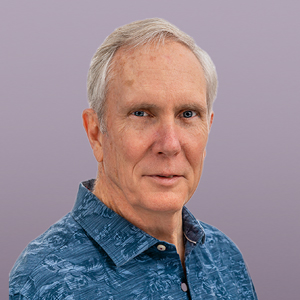
Will Schroeder is another one of Kitware’s co-founders and has been a central force in shaping the company’s vision, culture, and technical direction from the outset. Serving as Kitware’s CEO for 19 years, Will helped build a company grounded in open source principles, scientific rigor, and long-term sustainability. Alongside his leadership responsibilities, he pursued deep technical work, drawing on his background in mathematics and engineering to guide Kitware’s growth across scientific computing, visualization, and research-driven software development. This combination of strategic leadership and hands-on technical expertise has shaped Will’s career and continues to influence Kitware’s evolution.
Will is a lead developer of the Visualization Toolkit (VTK) and the first author of the VTK textbook, contributions that laid the foundation for modern scientific visualization and earned the IEEE Visualization Test of Time Award in 2021. Will has also provided leadership across major open source initiatives, including the Insight Toolkit (ITK) and the NA-MIC National Center for Biomedical Computing, while remaining an active researcher, educator, and advocate for open source software. During his 25 years at Kitware, Will has shaped the company’s collaborative culture and reinforced its role as a leader in the global scientific computing community.
Celebrating 20 Years
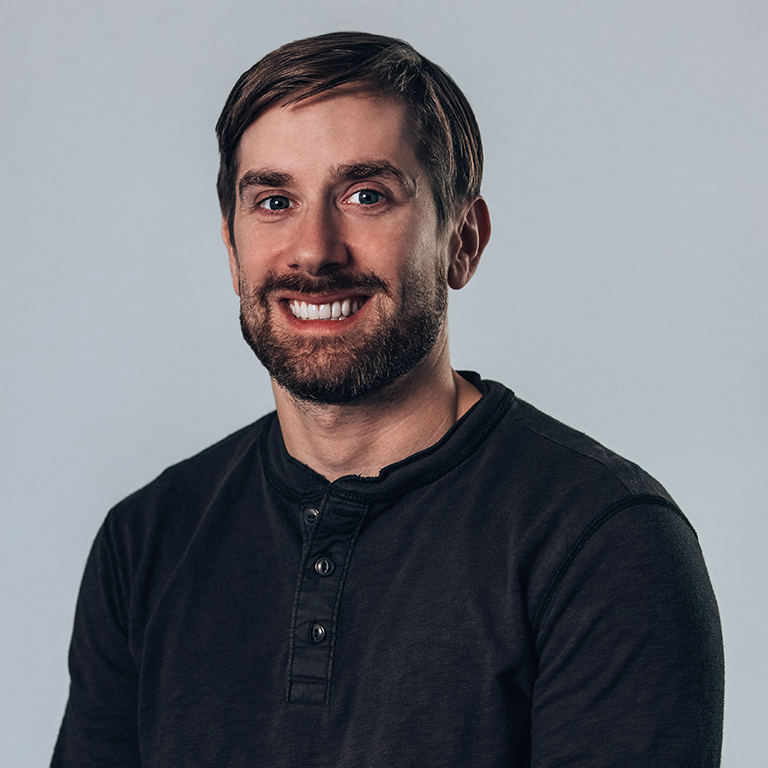
Zack Galbreath has been instrumental in advancing Kitware’s open source software and scientific computing efforts over the past 20 years. As a technical leader, he develops and maintains CDash, an open source web dashboard for displaying software build and test results, collaborates with the Spack package manager community, and supports automated testing infrastructure for XGC. Zack is also one of Kitware’s resident CMake experts, teaching courses for commercial organizations, conferences, and government laboratories. Beyond his technical contributions, Zack teaches CMake, mentors engineers, and helps lead the Open Source Software Technology Program (OSTP), guiding the next generation of open source engineers.
Celebrating 15 Years
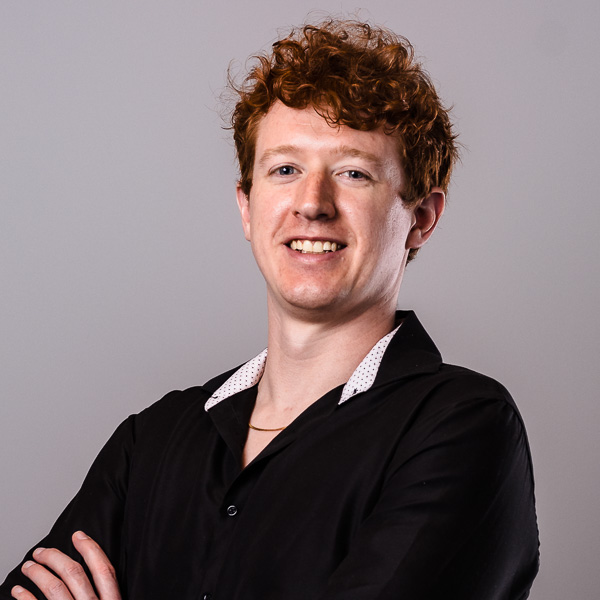
Since joining Kitware, Ben Boeckel has contributed to open source projects that support scientific computing communities around the world. As a principal engineer, he has supported projects across the open source ecosystem, including Fedora, the KDE Special Interest Group, and ParaView Catalyst. His work reflects a longstanding commitment to developing and improving open source software while collaborating with communities that advance scientific computing. Ben’s contributions continue to strengthen the technologies and collaborations that support Kitware’s mission.
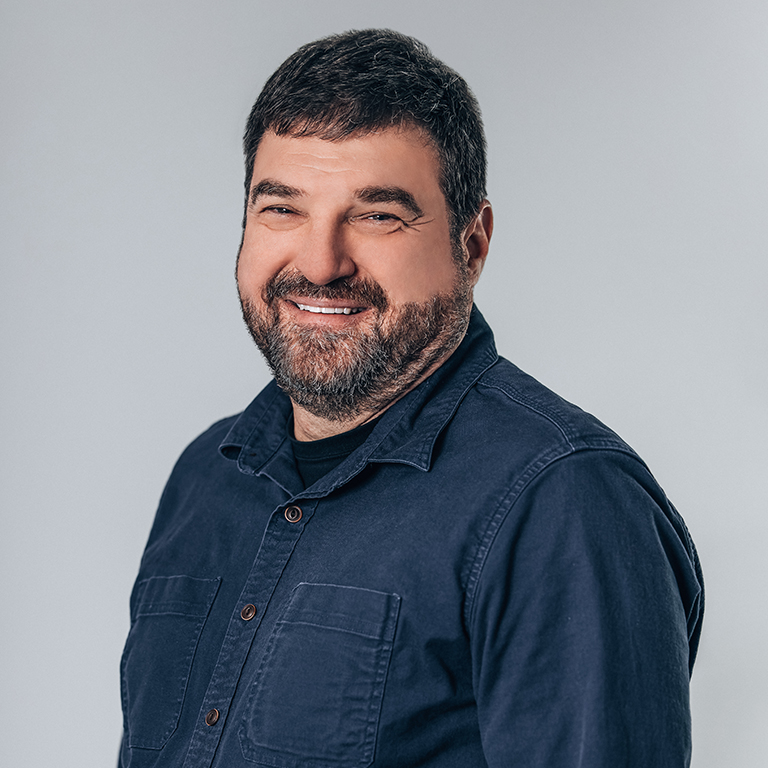
Keith Fieldhouse has become a leader in Kitware’s cyber-physical systems and AI research. His work has supported the deployment and evaluation of AI systems in the field, including serving as chief engineer for the sensing efforts on DARPA’s URSA and Squad X Core Technologies programs. Keith has also led projects for AFRL, ONR, and ARL while mentoring future engineers. His leadership continues to strengthen Kitware’s work in applied AI and emerging technologies.
Since joining Kitware in 2010, Julien Finet has contributed to projects spanning medical imaging, scientific visualization, computer-aided design, and web technologies. Julien served as the technical lead for porting 3D Slicer to Qt, was a major developer of CTK, and led the Bender project, a Slicer-based application for repositioning voxelized anatomical models. Today, he leads the Software Solutions team at Kitware Europe
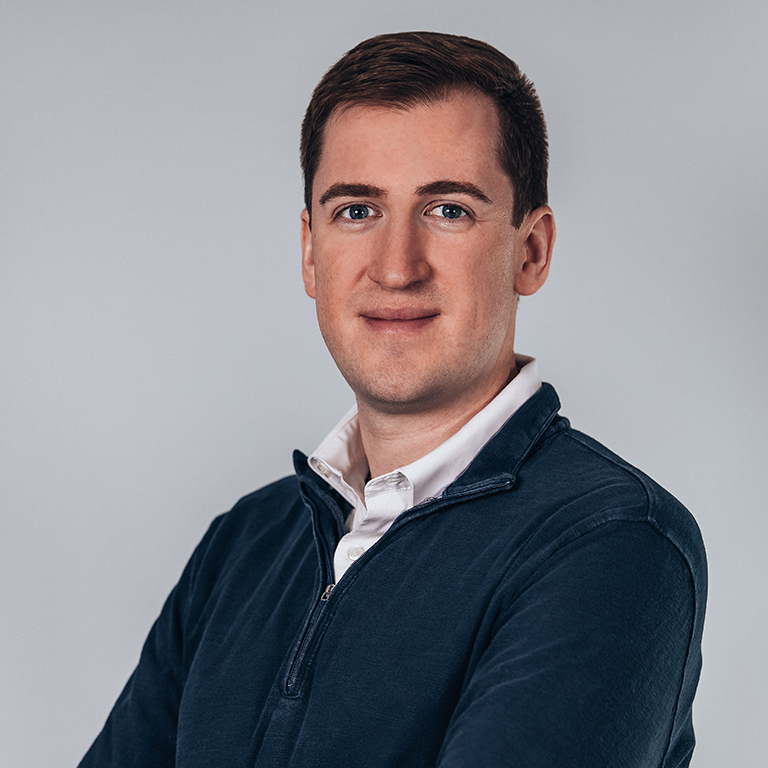
Beginning as an intern with Kitware’s medical team in 2011, Brian Helba quickly transitioned into a full-time research and development role. With a background in computer science and biomedical engineering, he has contributed to Kitware’s medical software research and development through his expertise in software engineering.
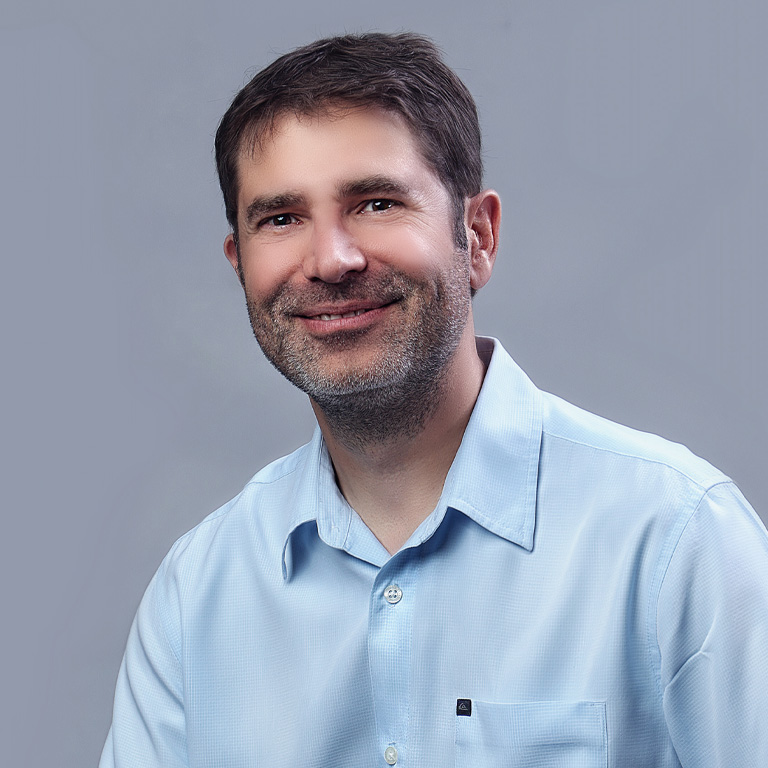
Sébastien Jourdain has been a driving force behind Kitware’s scientific web visualization technologies for the past 15 years. He created and continues to maintain Kitware’s web stack for scientific visualization, including trame, which enables users to build tailored applications for live data processing and visualization in a web environment. Beyond his technical contributions, Sébastien mentors new members of the Scientific Computing Team and serves on Kitware’s ESOP committee, educating employees about the responsibilities and benefits of employee ownership.
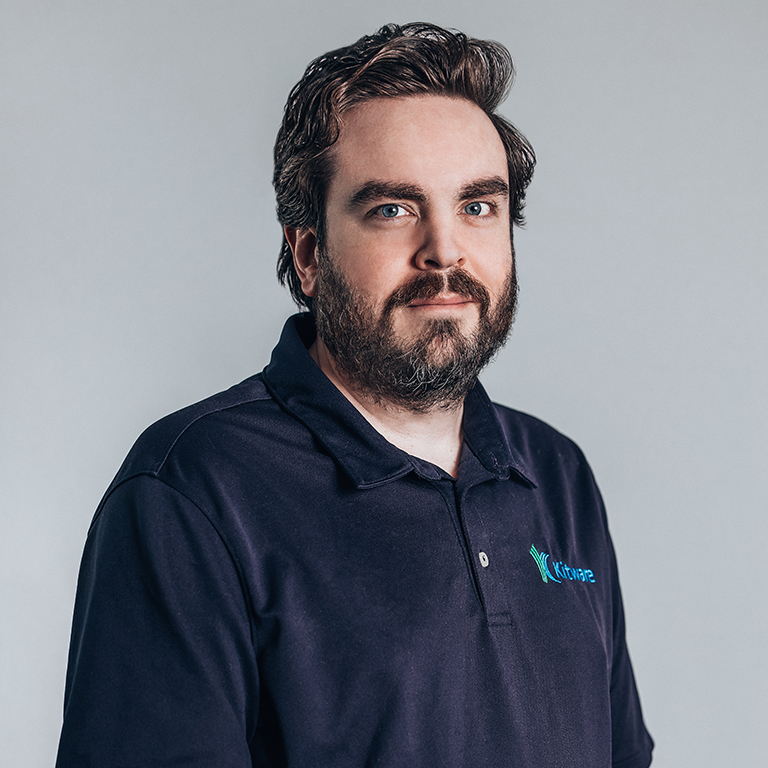
Matthew Woehlke joined Kitware in 2010 and has spent the past 15 years helping advance software engineering at Kitware. He has helped shape work on CMake and modern package management technologies. He regularly shares his expertise through technical articles that help developers better understand evolving software engineering concepts.
Celebrating 10 Years

Over the past 10 years, Sonia Ayme has helped manage and improve human resources practices at Kitware Europe. Since joining the Lyon office, she has drawn on her experience in communications, sales, and marketing to support recruitment, employee development, and performance management. Her adaptability and broad skill set continue to support Kitware Europe and its employees.
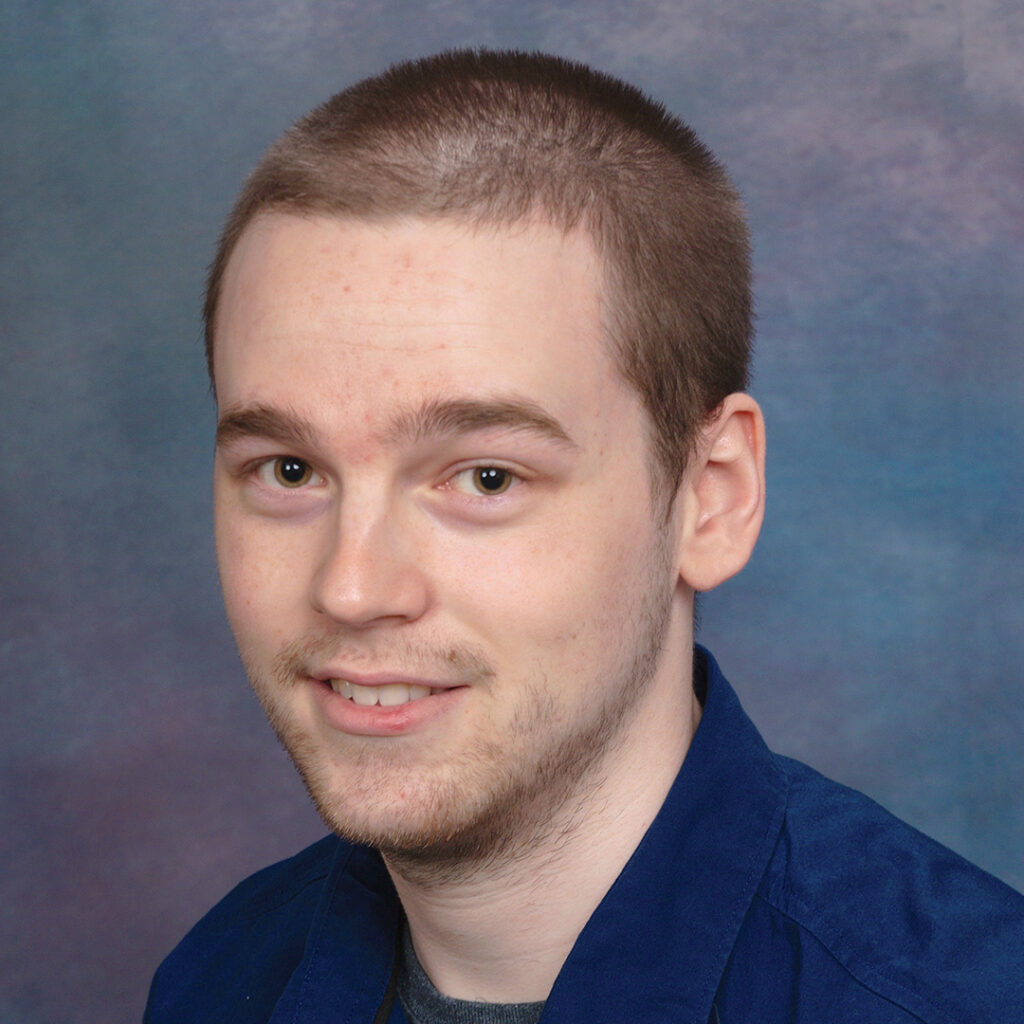
Since joining Kitware, Dan LaManna has contributed to the development of the Resonant stack. Working in Python and JavaScript, he develops components of the Resonant stack and contributes to open source software projects.

Since joining Kitware Europe in 2016, Lucie Macron has contributed to visualization and image processing projects across the organization. After first joining the team as an intern, she became a full-time R&D engineer in 2016. Her work draws on expertise in Python, C, C++, VTK, ITK, Qt, and OpenGL, and includes earlier contributions to Python modules for 3D Slicer while at the University of Michigan.
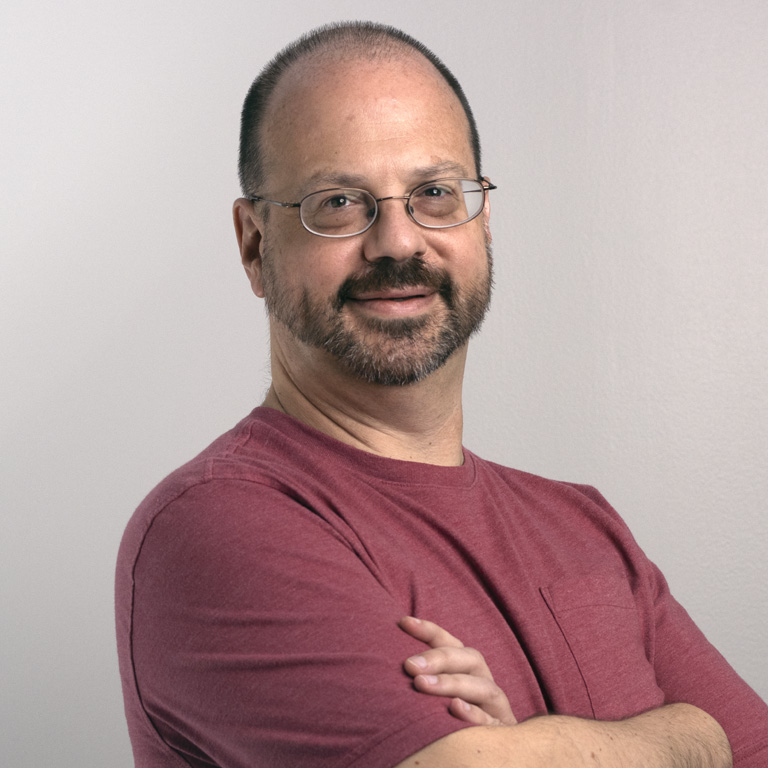
Chet Nieter has spent the past decade advancing Kitware’s computer vision and 3D reconstruction technologies. His work includes developing Kitware’s open source toolkits, KWIVER and TeleSculptor, supporting the interactive DIY-AI project, and leading an SBIR project exploring joint 3D reconstruction using Electro-Optical (EO) imagery and Synthetic Aperture Radar (SAR) data.
Mathieu Westphal has spent the past decade helping shape Kitware Europe’s scientific visualization technologies. As a core developer of VTK and ParaView, he has contributed numerous features to both projects, led ParaView development efforts, helped grow the F3D open source project, and mentored the next generation of engineers.
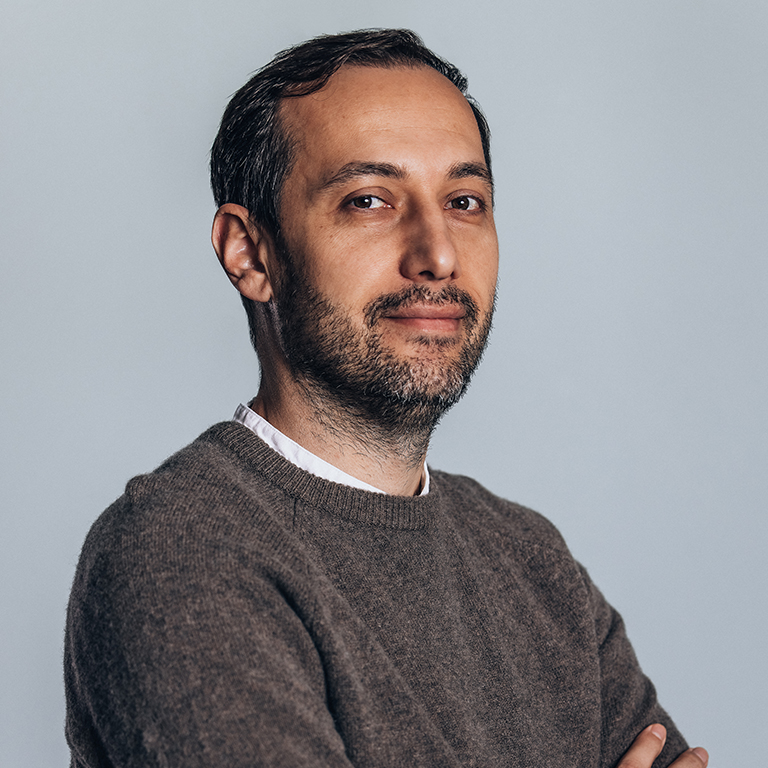
Dženan Zukić has helped strengthen Kitware’s open source medical imaging efforts over the past decade. In addition to supporting diverse medical imaging applications, he helps maintain the open source Insight Toolkit (ITK) and contributes specialized modules to 3D Slicer and ITK-SNAP, helping advance the medical imaging community.